As a professional gamer who has spent countless hours dissecting narrative structure in visual novels, RPGs, and anime adaptations, I’ve learned that even the most acclaimed series have a weak link. Bungo Stray Dogs, a show I’ve followed passionately since its explosive debut, is no exception. By 2026, the series has cemented its legacy with four gripping seasons, a feature film, and a sprawling manga that continues to surprise. But ask a fan to name the worst episode, and one candidate keeps surfacing: Episode 30, titled “Slap the Stick & Addict.”
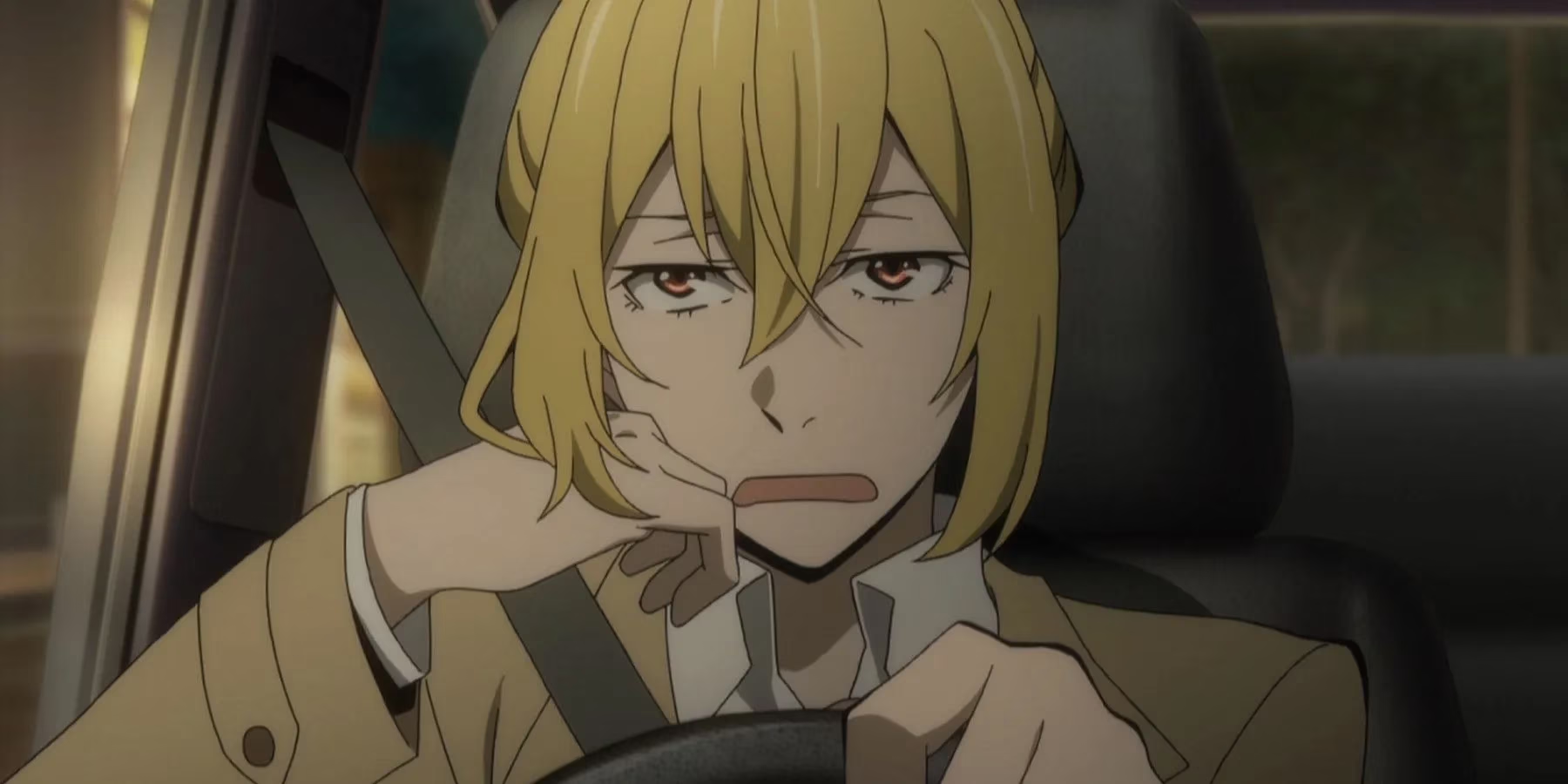
Now, let’s be clear. Calling this episode the “worst” is a relative judgment. It isn’t an abject failure—it aired on June 13, 2019, adapting manga chapters 38 and 41 slightly out of order, and it does have moments of charm. However, when sandwiched between Fyodor’s menacing introduction in Episode 29 and the emotionally devastating Episode 31, this half-hour of television evaporates from memory faster than Atsushi’s confidence before a challenging mission.
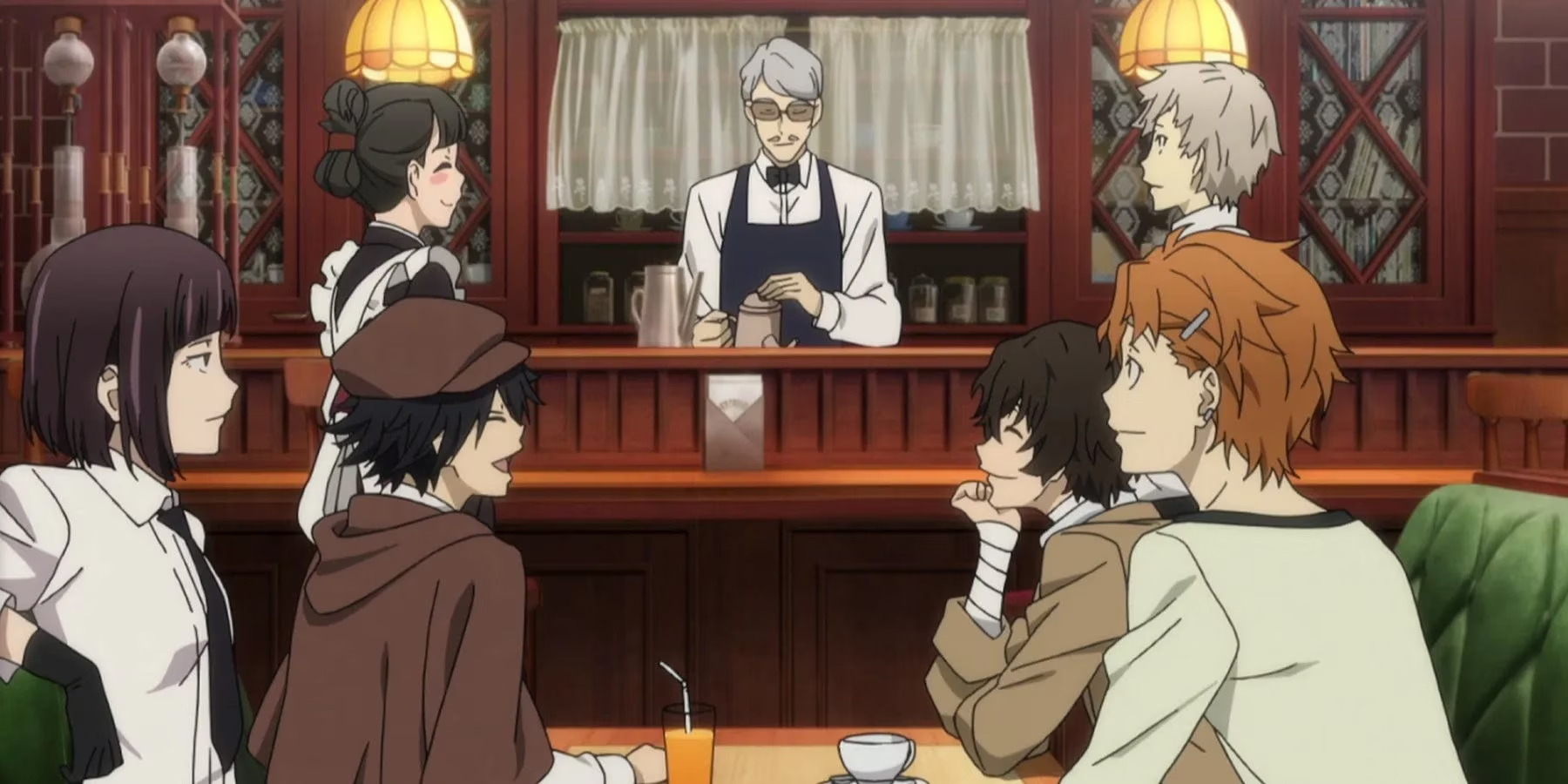
The A-side, “Slap the Stick,” attempts to showcase the Armed Detective Agency’s sheer power by introducing a gang of extortionists who vandalize Café Uzumaki and injure the owner. The criminals boast about their airtight security, only for every measure to backfire spectacularly as the agency steamrolls them. The punchline? The detectives were simply bored after the Guild’s defeat and needed something to break the monotony. It’s a deliberate rejection of dramatic tension, but the problem is that Bungo Stray Dogs already pulled this trick better in Episode 4. Back then, Atsushi’s paranoia about accidentally causing the agency’s downfall built real suspense before the reveal that his colleagues are untouchable superhumans. In Episode 30, the retread feels hollow—a reminder that the agency hasn’t lost its edge, without the emotional stakes that made the original joke land.
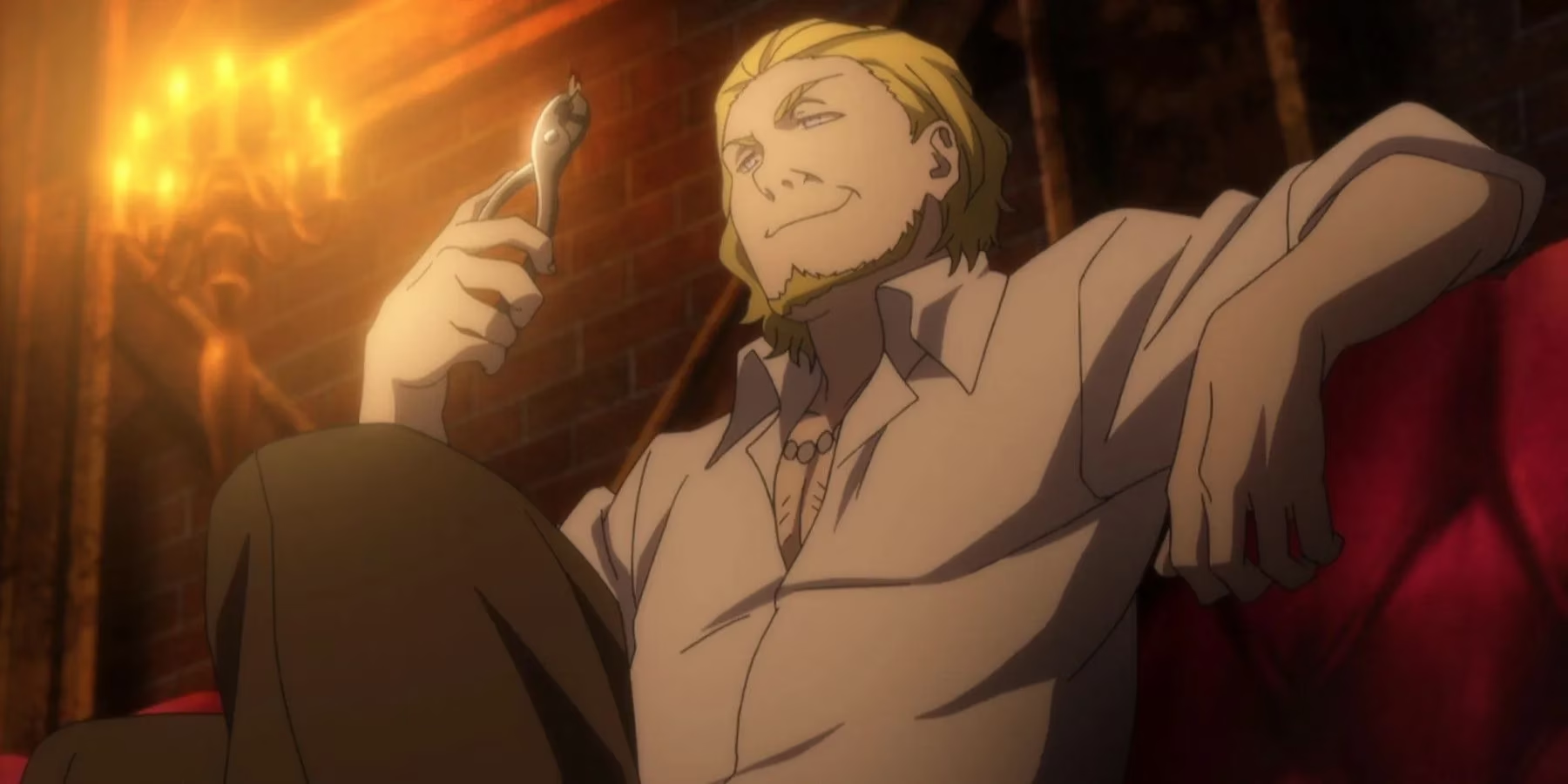
Things improve, if only slightly, in the B-side “Addict.” Here we meet Katai, a former agency member and shut-in, whom Kunikida and Atsushi must assist to gain his help. The mission: track down a mysterious woman Katai has become obsessed with and deliver a love letter. Meanwhile, Higuchi of the Port Mafia pursues the same woman out of jealousy, having spotted her with Akutagawa. With the ceasefire between their organizations still holding, an unlikely alliance forms. Katai even leaves his mancave for a climactic chase that ends in a giant misunderstanding. It sounds fun on paper, and it is—sort of. But the sitcom setup feels closer to filler than canon, despite being faithfully adapted. The comedy doesn’t reach the heights of the series’ best laugh-out-loud moments because the underlying story is so basic. Still, I can’t entirely dismiss this half thanks to three crucial character beats.
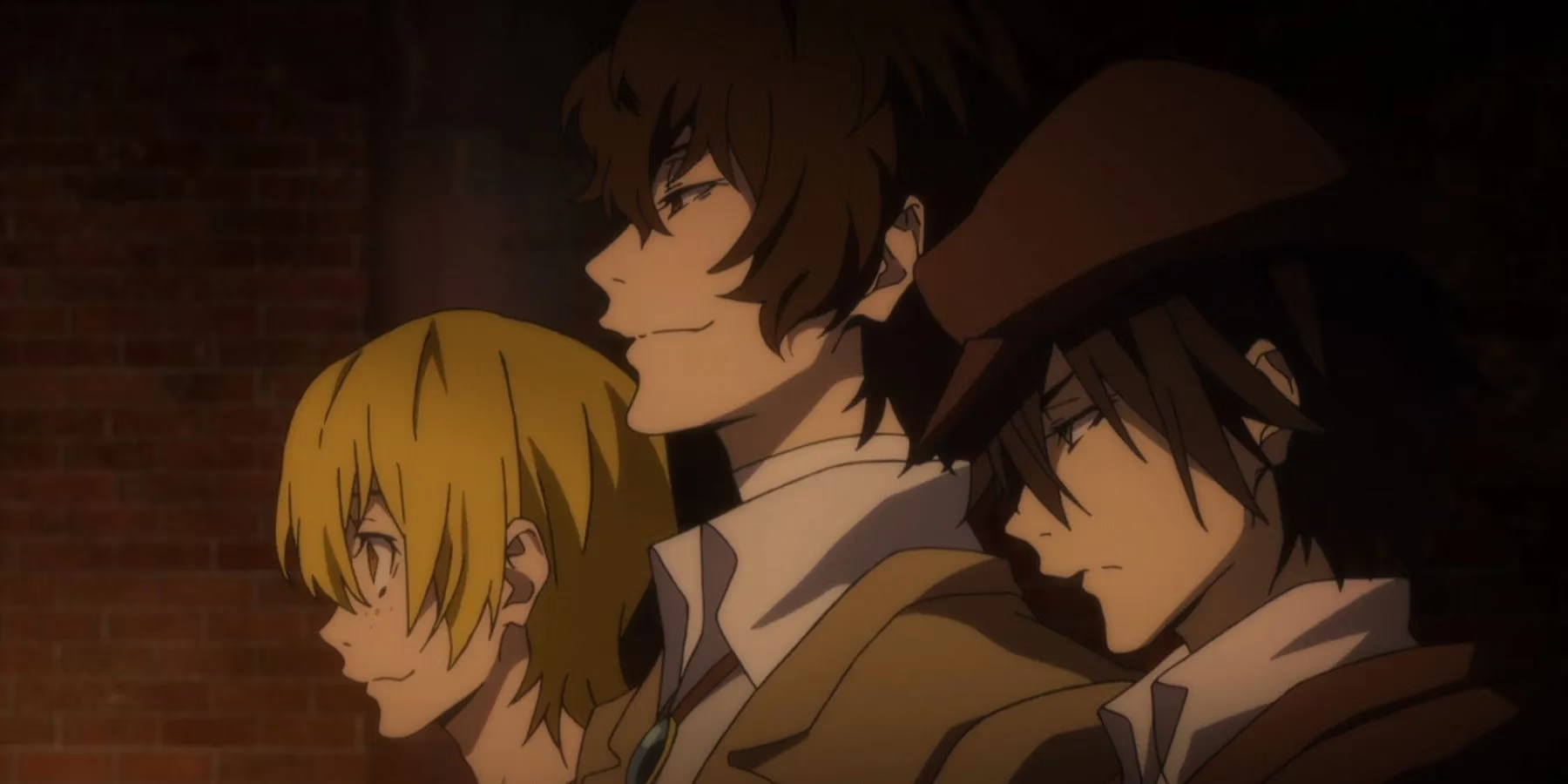
First and foremost, “Slap the Stick” reintroduces Lucy Maud Montgomery, now working at Café Uzumaki after leaving the Guild. Her shy debut and immediate tsundere attitude toward Atsushi are delightful. Given Lucy’s growing importance in later arcs, even a mediocre plot becomes worthwhile just to see her return. Second, “Addict” delivers not one but two significant reveals: Katai’s introduction (he becomes pivotal in the Cannibalism arc) and the bombshell that Gin, the Port Mafia’s masked assassin, is actually Akutagawa’s sister. The main series never fully capitalizes on this sibling dynamic the way the Beast spin-off does, but watching Higuchi and the audience react to Gin’s cuteness remains a treasured memory. Fans who watched the episode weekly in 2019 may have forgotten why the café was vandalized, but they’ll never forget being shocked that the ruthless Akutagawa had an adorable little sister.
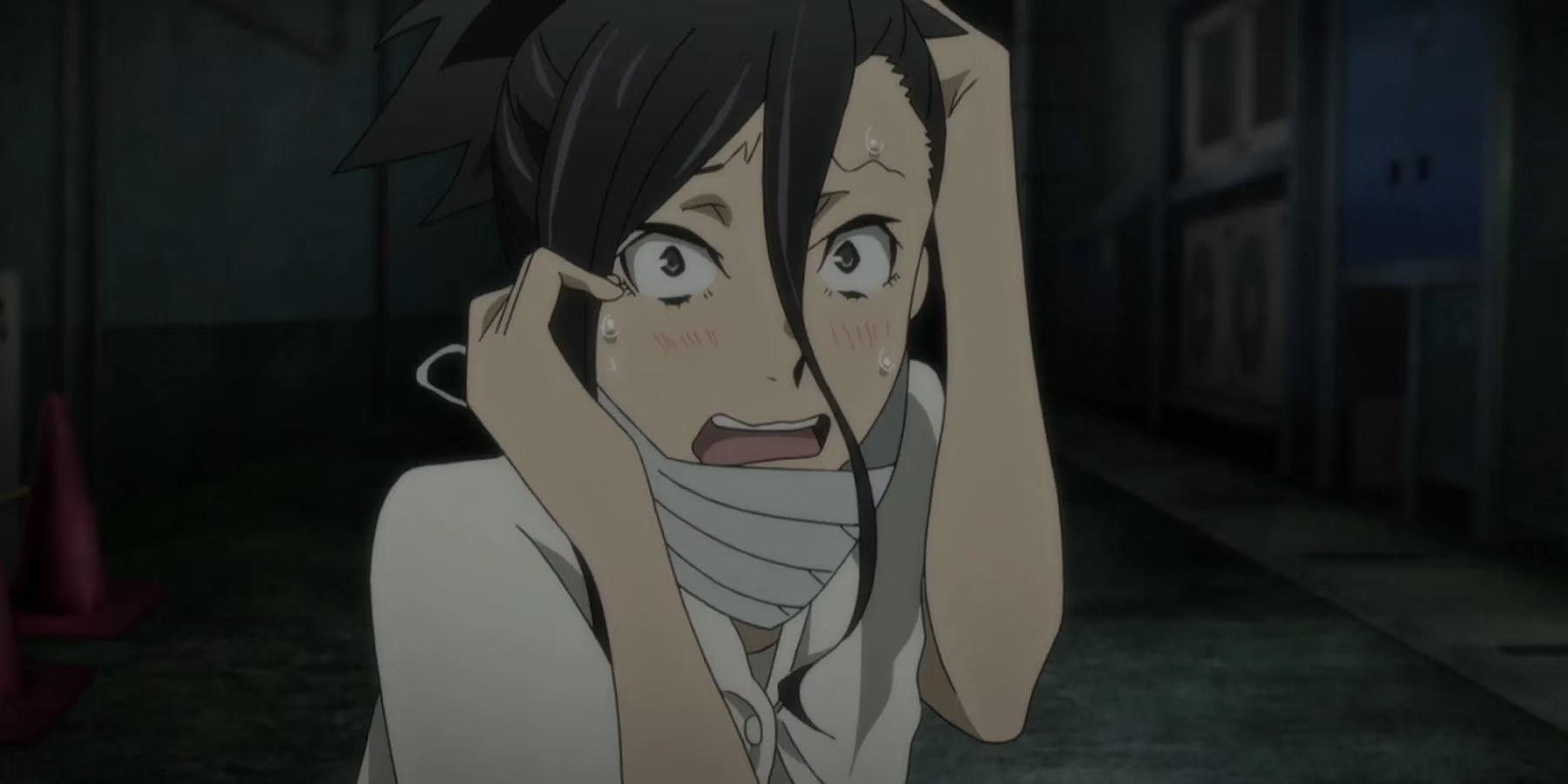
Even with these high points, the episode struggles to demand a rewatch outside a full series binge. Yet, from a 2026 perspective, I’ve noticed something unexpected: a nostalgic charm. This is the first episode since Season 2 to show the agency in a peaceful, present-day setting—no life-or-death battles, no world-ending threats. The café attack, as underwhelming as it is, serves as a gentle re-introduction before the storm. It’s the final breath of normalcy. Episode 31 plunges into heartbreak, Episode 33 ignites the Cannibalism arc, and the Decay of Angels saga in Seasons 4 and 5 pushes the cast into their darkest hour yet. Looking back, Episode 30 feels almost like a snapshot of a simpler time, when these detectives could still be bored together.
Of course, the “worst episode” label is debatable. Some fans rightfully point to “Bungo Hound Dogs” or “Skyfall” from Season 4—episodes that cut vital character development for Sigma and others, weakening the narrative’s impact. The novel adaptation arcs have their detractors too, accused of sacrificing depth for pacing. Those episodes frustrate because you can see the greatness they squandered. Episode 30 doesn’t frustrate; it simply fails to leave an impression. In a series as mesmerically memorable as Bungo Stray Dogs, being forgettable is a heavier sin than being flawed. So, while I’ll never skip it during a rewatch—if only to catch Lucy’s smile or Gin’s reveal—I can’t pretend it’s anything more than a calm before the beautiful, tragic storm.
Have you revisited Season 3 recently? I’d love to hear which Bungo Stray Dogs episode you consider the weakest—and whether nostalgia has softened your view over the years. Drop your thoughts in the comments, and as always, stay tuned for more deep dives into gaming and anime storytelling.