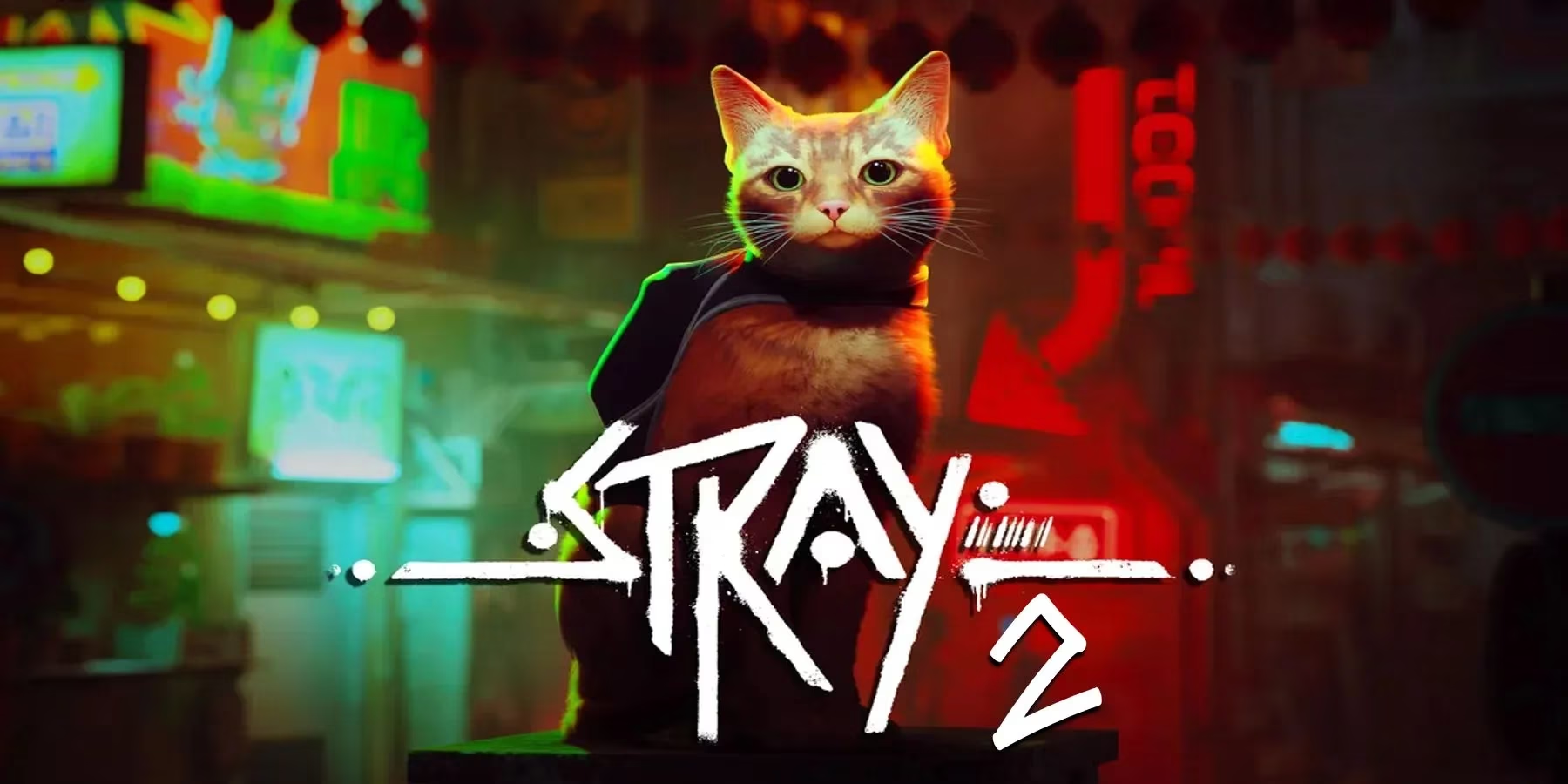
In 2026, the Stray movie adaptation is still officially happening, and fans of the 2022 video game are chomping at the bit to see whether Annapurna Animation can stick the landing. The game was a massive success, blending a cyberpunk city, a silent orange cat, and a surprisingly emotional story about kindness and connection. It felt cinematic from the first meow, so the leap to the big screen makes sense. But video game movies are a tricky business, and Annapurna Animation cannot afford to drop the ball. If the studio reads the room, it will remember what made Stray the cat's pajamas in the first place.
The Silent Cat Is the Secret Sauce
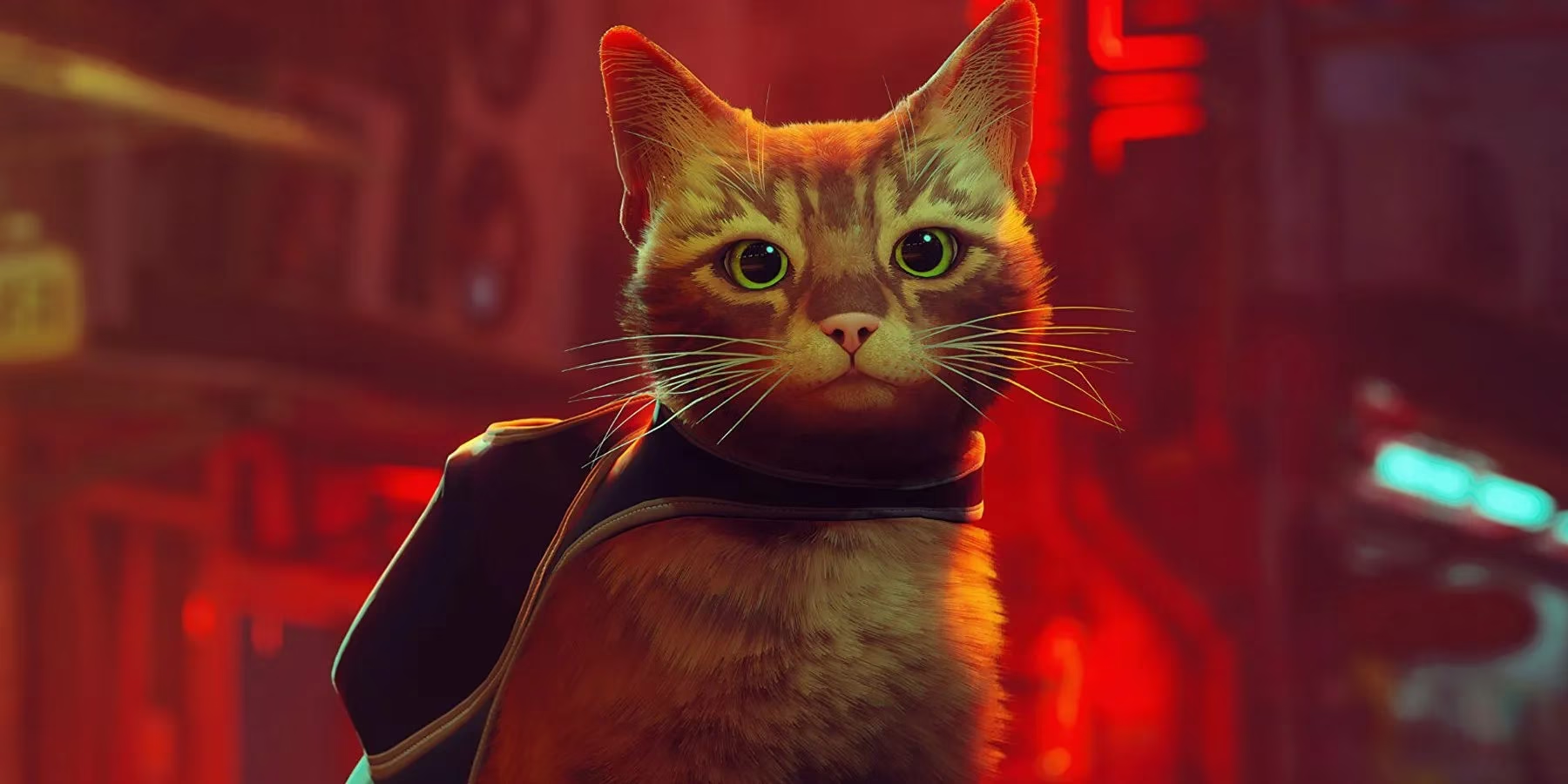
One of the smartest things Stray does is let the cat be a cat. The protagonist does not talk. No witty one-liners, no celebrity voice-over, no explaining every thought. Players control the cat as if it were a real animal, and that silence is a huge part of the game's charm. If Annapurna Animation decides to give the cat a human voice, it will cheapen the franchise faster than a cat can knock a glass off a table. The movie must respect the no-talking rule.
There is a proven blueprint: Wall-E. The 2008 Disney Pixar hit featured a robot who barely spoke, mostly communicating through beeps, whirs, and body language. It worked like gangbusters, and Wall-E became more lovable because of it. Stray can pull off the same trick. The cat could have a name hinted at, but keeping things mysterious is probably the best play. Think Clint Eastwood in a Spaghetti western: a stranger rolls into town, says almost nothing, and lets the silence do the heavy lifting. That is a tall order for an animated film, but it is also the reason the idea is so exciting.
Keep the Look and Feel Intact
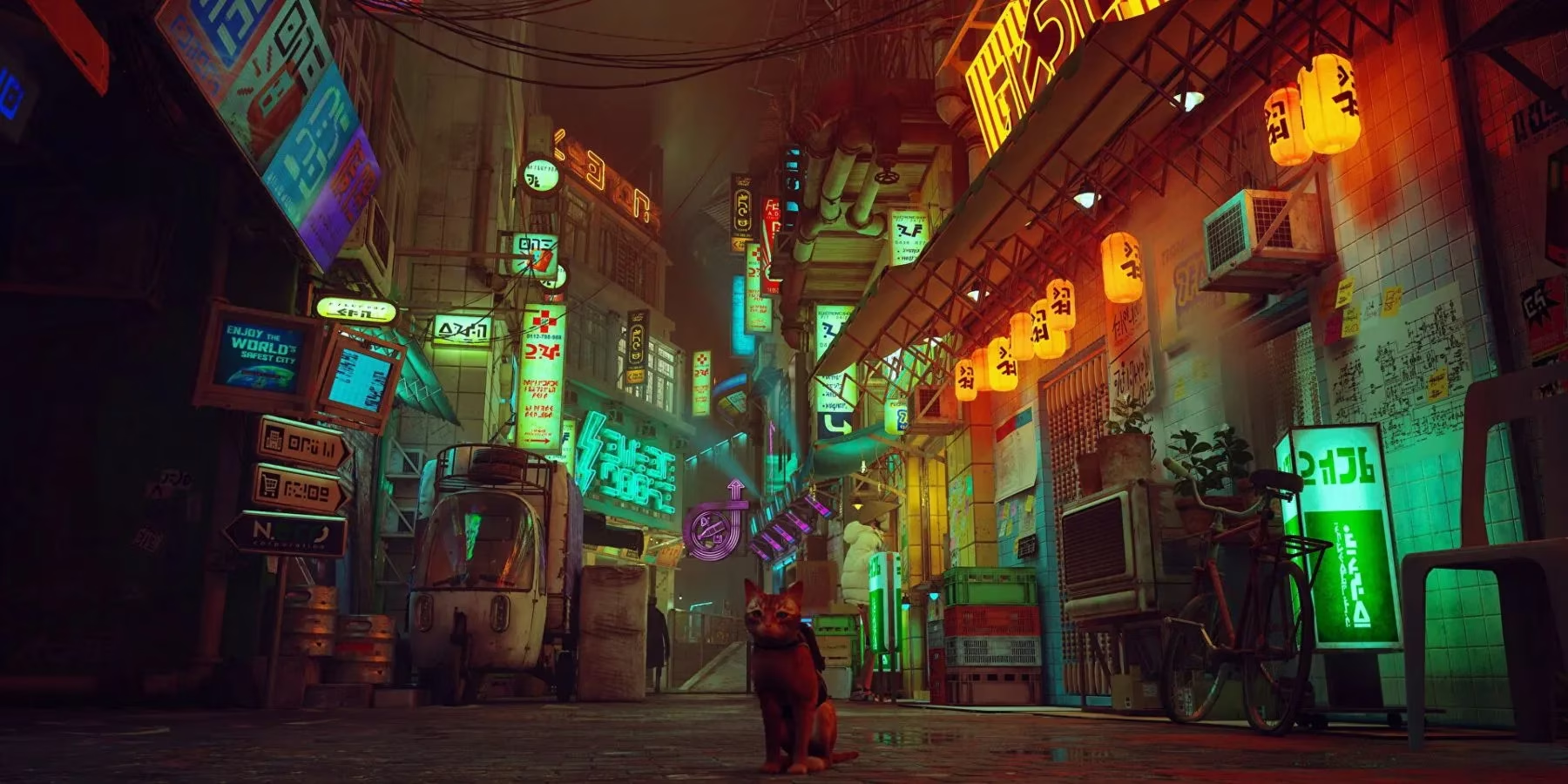
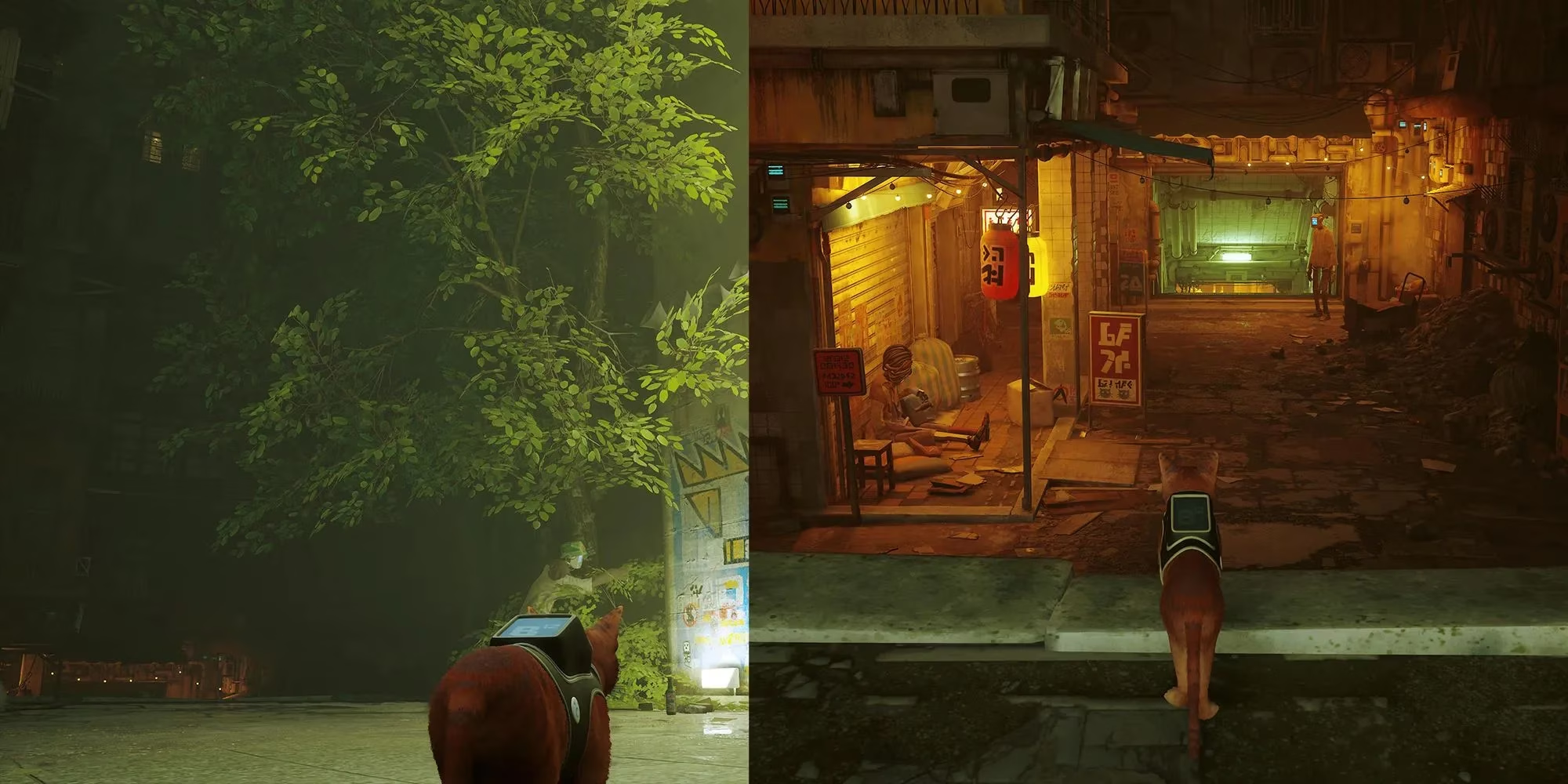
Stray's graphics are immersive, detailed, and dripping with atmosphere. The neon signs, crumbling alleys, and rusty robots create a world that feels lived-in and dangerous. Annapurna Animation should not change that style for the movie. The good news is that the same company involved in the game's production is making the film, so a radical visual overhaul seems unlikely. Still, Hollywood has a bad habit of fixing things that are not broken. Many video game adaptations have changed the look of the source material and paid the price.
It is encouraging that the Stray movie is confirmed as an animated feature. A live-action version simply would not work. A real cat cannot carry a cyberpunk narrative, and CGI cat movies have an uncanny valley problem that would make audiences squirm. Animation is the right call, and the film should recreate the game's distinctive look on the big screen.
No Humans, Just Cat and Robot Buddy Energy
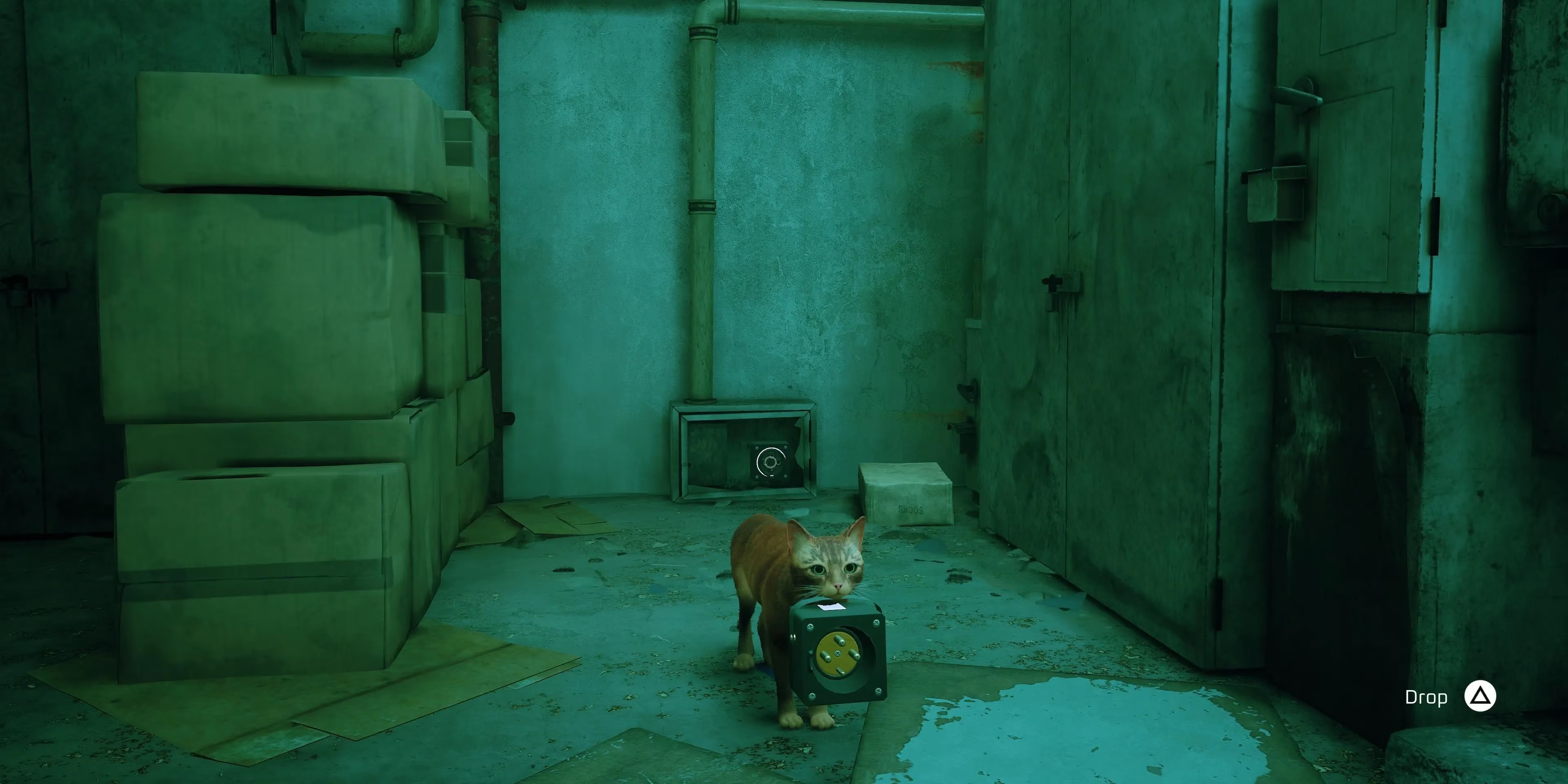
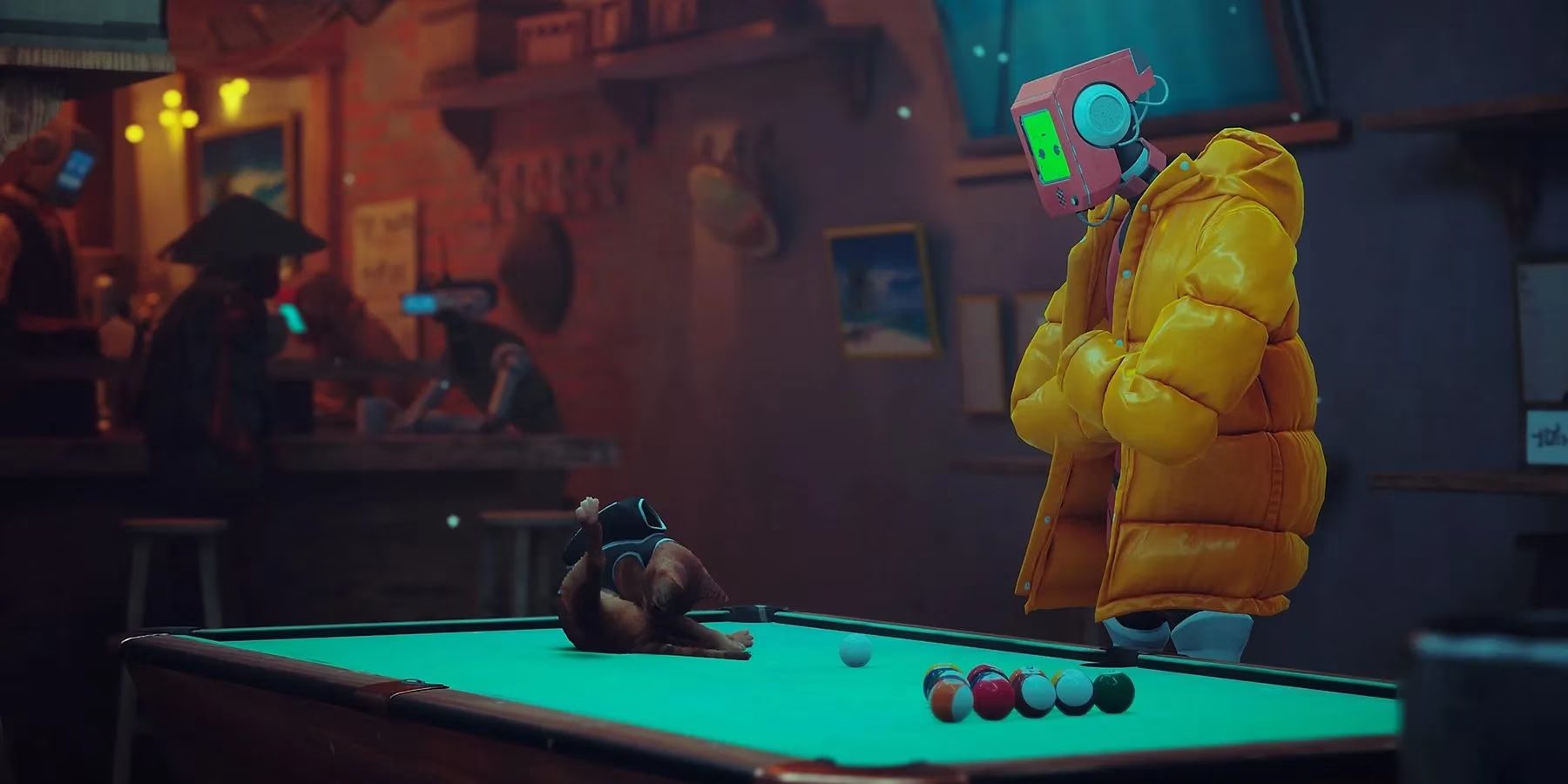
Stray is, at its core, a story about what makes people human. Yet the game features no humans at all. That contradiction is part of its genius. The movie should follow suit and keep the focus on the stray cat's world. A robot sidekick, like B-12, can provide buddy-comedy energy without turning the film into a talking-animal circus. Fans want to see the world through the cat's eyes, not through a human's exposition dump.
Producers have said they do not intend to include humans in the narrative, but Hollywood has changed its mind before. The creative team must resist the urge to insert a plucky human child or a wise scientist. That would be jumping the shark. The cat and its robot friend are more than enough to carry the story.
Do Not Turn the Movie into a Sequel
The film should adapt the game's story, not act as a sequel. New fans will come to the franchise because of the movie, and they should not leave the theater scratching their heads. A direct adaptation gives everyone a clear entry point. That does not mean the movie cannot include quirky Easter eggs for longtime players. It absolutely should. But those nods should not replace a coherent story that works for newcomers and veterans alike.
There has been plenty of talk about a Stray video game sequel. If the movie does well, that sequel becomes even more likely. Annapurna Animation would then have another game to adapt. But the first film needs to walk before it can run. Adapt the original, stick the landing, and then worry about what comes next.
Hopepunk Is Not Optional
A big part of Stray's identity is its Hopepunk story subgenre. Hopepunk is speculative fiction's answer to Grimdark. Instead of cynicism and despair, it focuses on characters fighting for positive change, showing kindness to one another, and facing big challenges together. Those themes are vital to the game. The movie must stay true to them.
The danger is that a family-friendly animated film might sand off the Hopepunk edges in favor of generic child-friendly messages. That would be a mistake. Stray can appeal to younger viewers without betraying its core. The creative team should hit the nail on the head by keeping the story earnest, hopeful, and emotionally intelligent. If they water it down, fans will notice, and they will not be happy.
The Do's and Don'ts for Annapurna Animation
| Do ✅ | Don't ❌ |
|---|---|
| Keep the cat silent | Give the cat a chatty voice |
| Preserve the game's visual style | Reboot the look for no reason |
| Focus on the cat and robot buddy | Add unnecessary humans |
| Adapt the original story | Turn it into a sequel |
| Embrace Hopepunk themes | Water them down for kids |
| Add Easter eggs for fans | Let Easter eggs replace story |
Annapurna Animation has a golden opportunity. Stray is beloved, and the movie could be something special. As 2026 rolls on, fans are still waiting for a release date and more concrete details. The studio has kept things close to the vest, which is fine as long as the final product respects the source material. Meanwhile, Annapurna Interactive has also been linked to a new Blade Runner game, proving the publisher is not resting on its laurels. But Stray is the project that could define the animation studio's reputation. If Annapurna Animation lets the cat keep its cool, the movie might just be the cat's meow.