When a game tries to braid a branching narrative into a Broadway-style score, it is doing something closer to juggling lit candles on a moving train than to designing a conventional dialogue wheel. Stray Gods: The Roleplaying Musical is that gamble made playable. The debut from Summerfall Studios, co-founded by former Dragon Age lead writer David Gaider and published by Humble Games, first arrived in 2023. In 2026, it still stands out as a strange, ambitious specimen: a choice-driven story where songs are not decoration but investigation, negotiation, and emotional architecture.
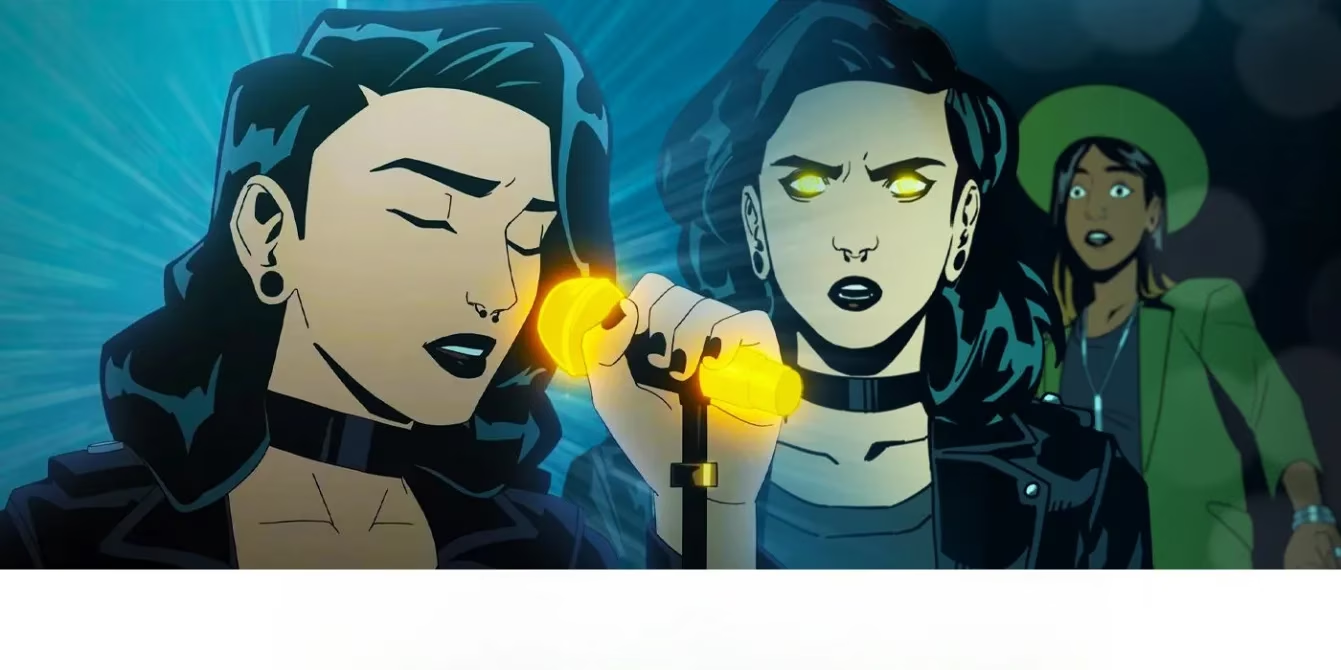
The setup is pure mythic noir with a lyre. Players step into Grace, a young woman who is blamed for the death of Calliope, the Last Muse. Before dying, Calliope transfers her powers to Grace, giving her one week to prove her innocence before the Chorus. Grace moves through a modern world of Greek gods, meeting figures such as Pan, Athena, and Apollo while hunting for the truth. As a Muse, she can coax information out of people through song. That is the central hook: the musical number is the interrogation room, the persuasion check, and the emotional confession all at once.
The soundtrack comes from composer Austin Wintory, and the songs are built to branch. A number can begin as a slow ballad and slide into angry rock depending on what the player chooses. That sounds like a gimmick until it happens in motion. The musical numbers are less like cutscenes and more like live-wire interrogations, because the player has to listen closely to the story inside each song before making a decision. The branching song system is a Rube Goldberg machine built from feelings and cue points, and the fact that it works at all is part of the game's charm.
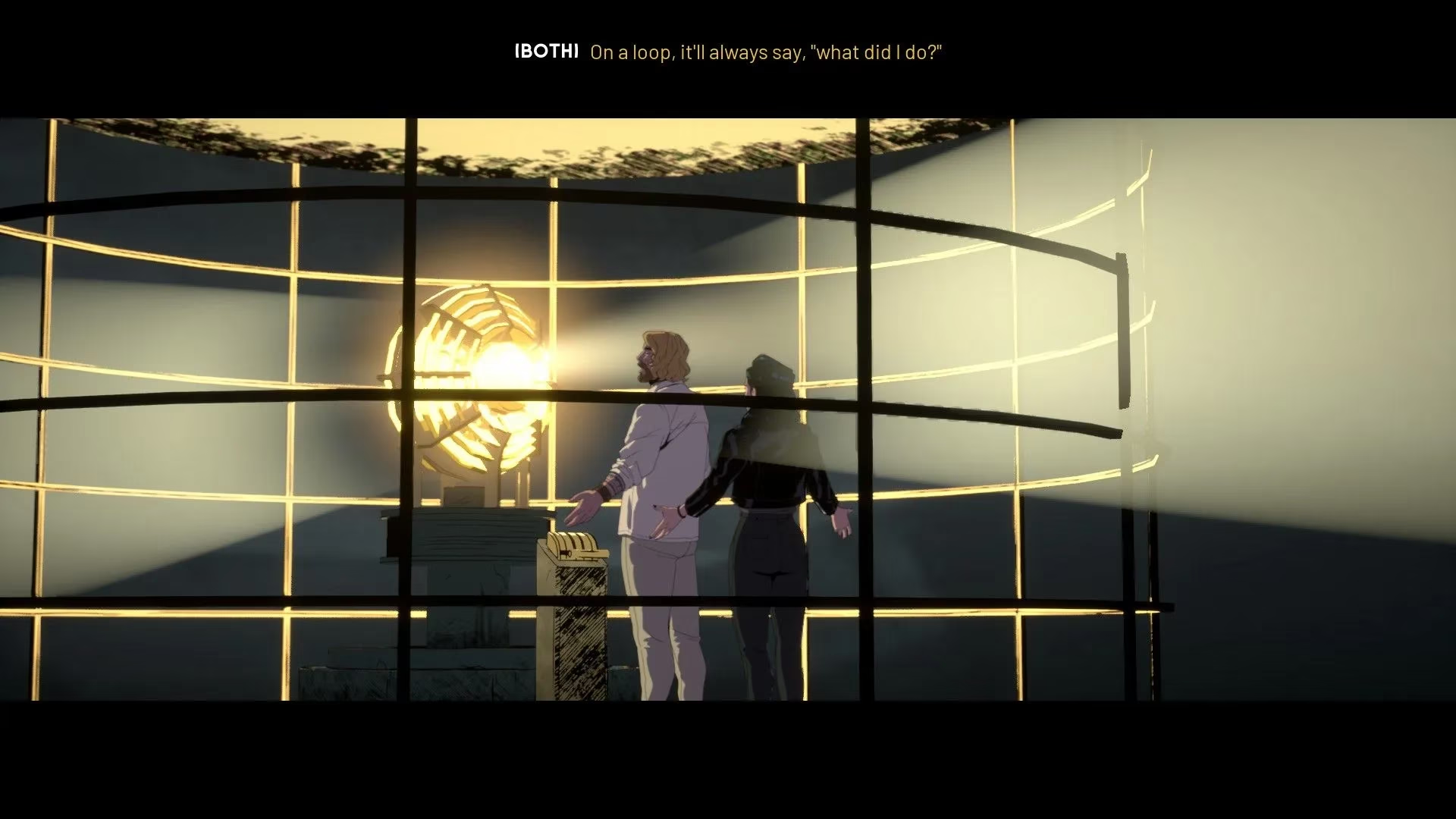
In an interview with Screen Rant, Gaider explained that the team had no prior game to consult for advice. There was no established template for an interactive musical of this kind, so the process became trial and error. Wintory handled the musical engineering, making sure tracks could switch without an audible hitch and that a shift from charming to combative would blend naturally. Gaider handled the branching narrative, keeping the through-line of information intact. Lyricists built the story inside each song. The three sides had to meet somewhere in the middle.
That middle was not always easy to find. Gaider said the team only fully figured out its pipeline while working on the finale. The last song became the team's Rosetta stone: after that, they knew how they should have been working all along. It is the kind of lesson that almost demands a sequel, even if the team was also exhausted by years of living with the same earworms.
Some of the cuts were painful. Gaider revealed that an entire Olympus section was trimmed, one where Grace would have visited the building with Freddie, met gods such as Hestia and Dionysus, and possibly taken on a Dionysus quest line with additional songs. Scope won. The team looked at the size of the project and decided that the extra characters were, in Gaider's words, extra. It was low-hanging fruit, but it was still fruit.
Here is a quick look at what makes the game tick:
| Element | Why it matters |
|---|---|
| 🎭 Grace's week-long mystery | The clock gives the story urgency without turning it into a pure chase |
| 🎵 Songs as dialogue | Choices happen inside music, not only between scenes |
| 🧩 Branching audio | The soundtrack has to change direction without breaking the spell |
| 🌱 Indie niche appeal | The game can serve musical fans, mythology fans, and curious newcomers at once |
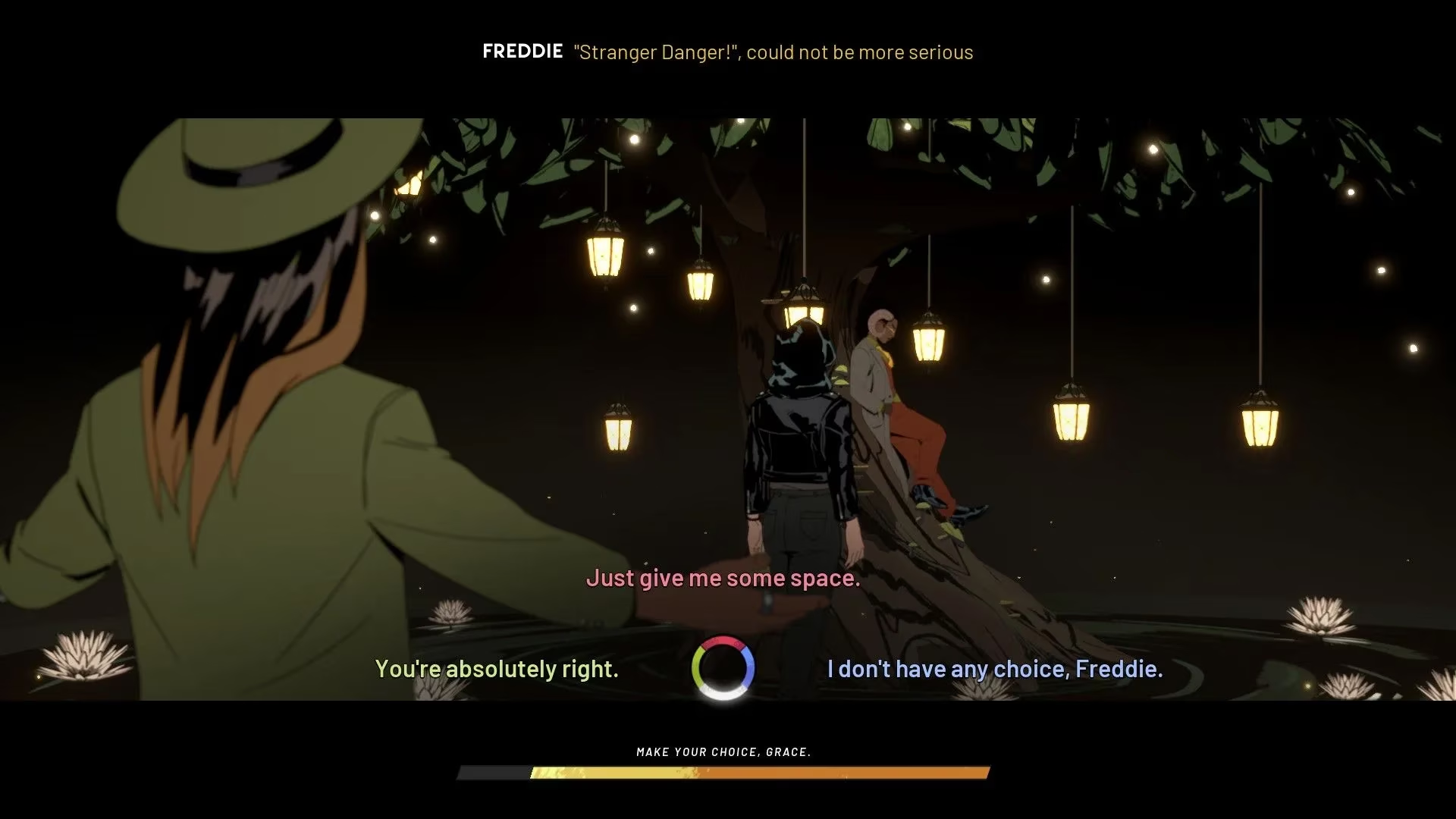
Gaider also pointed to player reactions as one of the great rewards. Freddie's death and possible resurrection became a talking point, especially because some players did not realize they could bring her back. The Aphrodite ritual plot sparked moral discussions and myth-focused essays. Readers were not just comparing notes on endings; they were arguing about what the gods deserved. For a developer, that is the soul meter refilling in real time.
His favorite songs shift with the weather. One day it is the Hecate and Minotaur love song, the most Disney-esque number in the bunch. Another day it is Persephone's throne song and the duel with Orpheus, with Mary Elizabeth's delivery of Or-phe-us still landing as a joke. The Aphrodite ritual song can also reduce him to tears, particularly Eros's line about leaving a broken home. That range is the point. Stray Gods is not trying to be one kind of musical. It is trying to be a musical that reacts.
Reception was always going to be split. Some listeners judged the game as a stage musical and found it wanting by those rules. Others wanted a traditional RPG or a visual novel and found the mixture unfamiliar. Gaider's response is fair: interactivity changes the fundamental rules of narrative. A game is not a book, a film, or a stage show with a controller taped to it. The people who clicked with the experiment were over the moon, and that includes an older audience that might not call itself gamers but can understand the appeal of making choices.
As of 2026, the original game remains available on PlayStation consoles, Xbox consoles, Nintendo Switch, and PC. A full sequel was never treated as guaranteed in the original interview; Gaider said it would depend on the publisher and on a team that needed distance from songs it had lived with for years. What is clear is that Summerfall came away with a hard-won playbook for a genre that barely existed before. Stray Gods may not have convinced every musical skeptic, but it proved that a song can be a dialogue tree with a heartbeat.