I’ve always believed that a great game isn’t just about how it ends—it’s about the moments that take your breath away along the way. In 2026, I find myself returning to titles that remind me why the journey often eclipses the destination. These are games where the world, the music, and the struggles worm their way into your soul, leaving you changed long before any credits roll.
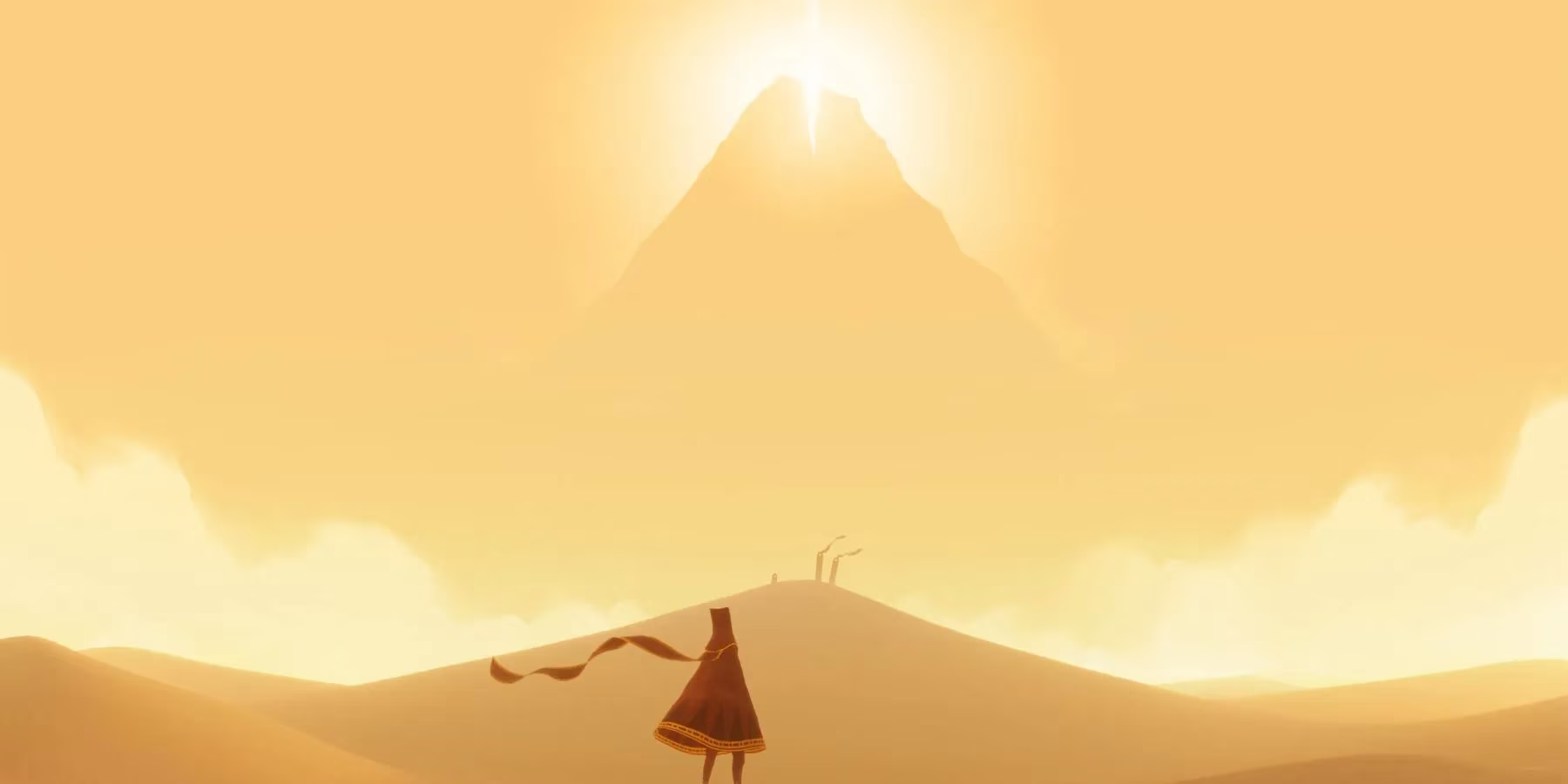
One of the purest examples is Journey. Don’t let its name fool you—it’s far more than a straightforward trip. I first played it in 2020 when it arrived on Steam, and I still think about sliding down golden dunes with a companion I never spoke a word to. The game matches you with a stranger silently, and together you traverse a vast desert, chirping little signals to guide each other past ancient ruins. When your companion disappears, the sting of loss is real. Only after the final sequence do you learn their username, and that reveal feels like a secret handshake. The minimalist visuals and that swelling orchestral score make every step meaningful. The bond, the solitude, the fleeting friendship—those are the true rewards.
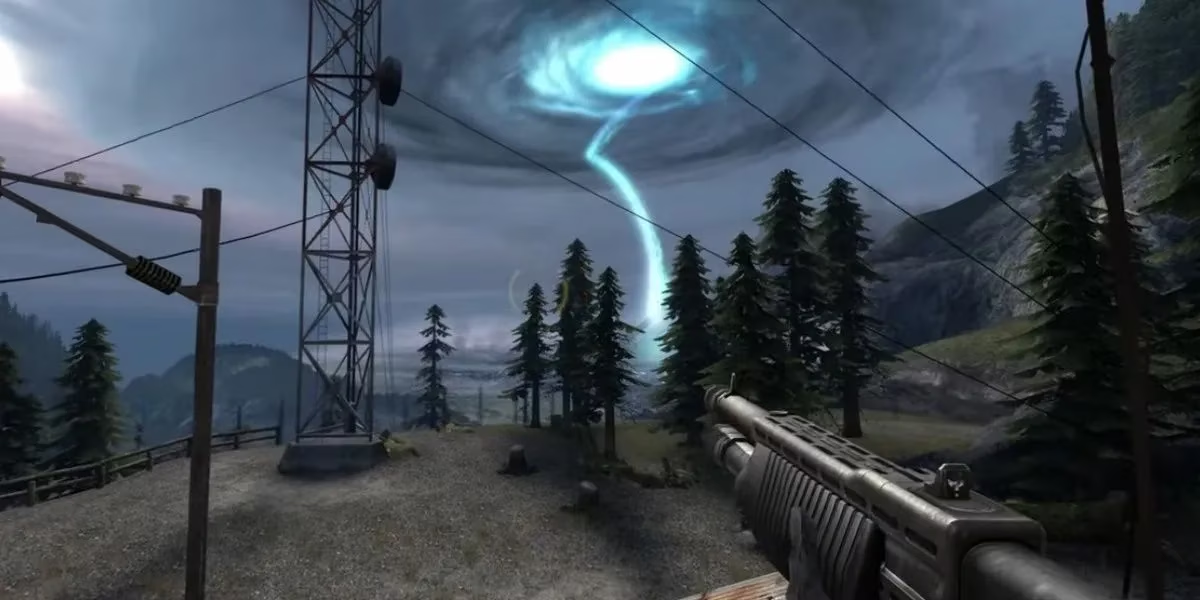
Then there’s Half-Life 2, a game that reshaped my teenage years and still feels vital today. Gordon Freeman’s journey through City 17 isn’t just about toppling the Combine—it’s a long, tense odyssey through a world both familiar and alien. From the canals to Ravenholm, every environment tells a story. What always stuck with me wasn’t the cliffhanger ending but the sheer adventure of wielding the gravity gun for the first time, or the eerie silence before a Stalker car launches into view. Epic set pieces and quiet dread intermix, and even after all these years, the journey begs to be replayed. It’s the reason I still hope for a conclusion in Half-Life 3.
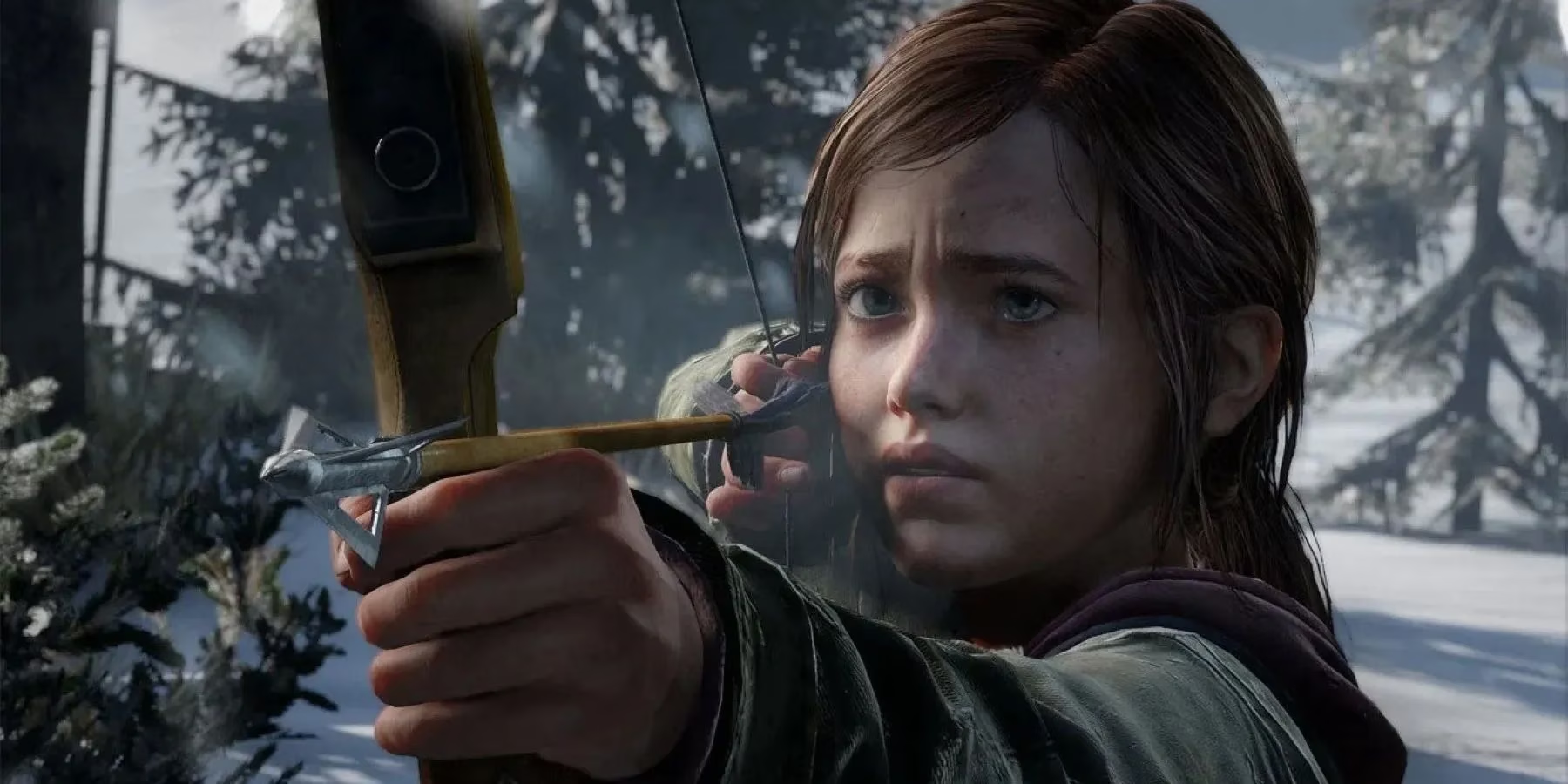
The Last of Us opens a different kind of road—one etched with grief and hope. Playing as Joel escorting Ellie across a post-pandemic America, every conversation and every abandoned building peels back layers of their relationship. The combat is brutal and often desperate, but it’s the quiet moments that linger: Ellie spotting a herd of giraffes, Joel teaching her to whistle. The journey through Pittsburgh, the sewers, and the snowy mountains feels so harrowing that the final hospital scene becomes almost secondary. It’s a slow burn where character development is the real gem, and I’ve never stopped thinking about how two broken people learn to heal each other.
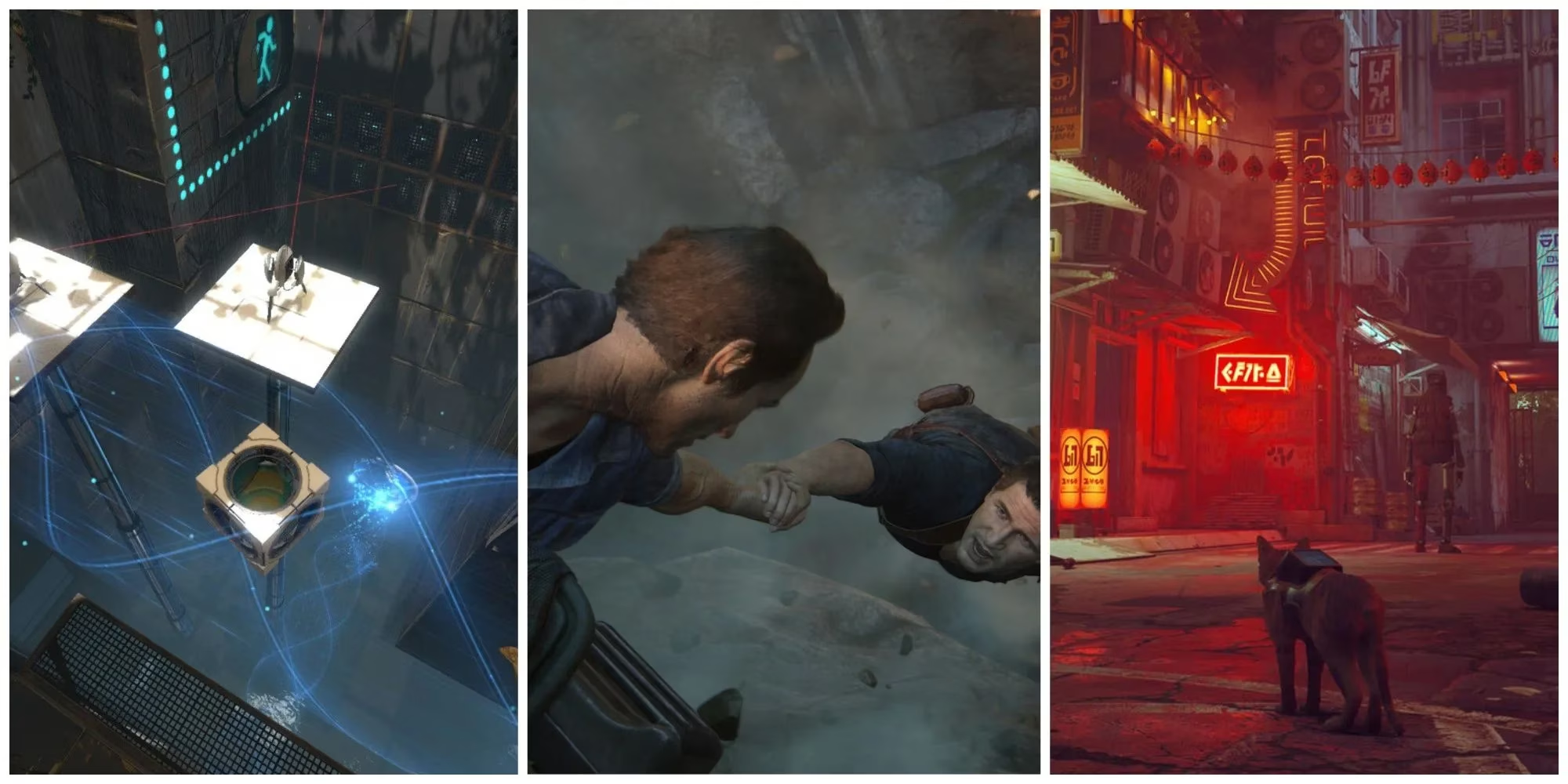
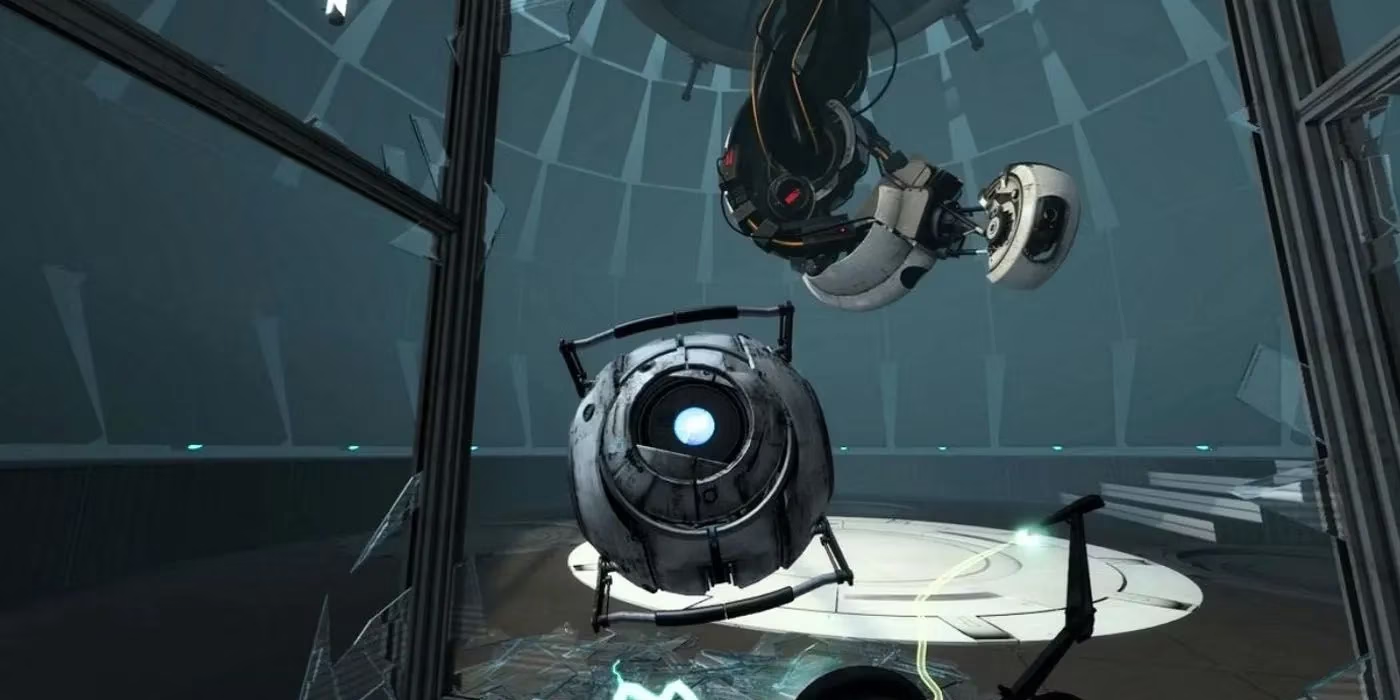
Now, let me brighten the mood with Portal 2—a puzzle game that transforms a series of test chambers into a comedy–tragedy. Chell’s mission to escape Aperture Science is just the frame; the real story is her tug-of-war with Wheatley, a bumbling AI whose betrayal hits hard because we’ve shared so many laughs. Mastering the portal gun while navigating crumbling facilities requires genuine ingenuity, and every solved puzzle feels like a small victory. The ending, where Chell finally steps outside, is almost too brief for the hours of mental gymnastics that preceded it. But that’s the point: the journey through old Aperture, the revelations of Cave Johnson’s legacy, and the relentless charm of GLaDOS make the entire experience unforgettable.
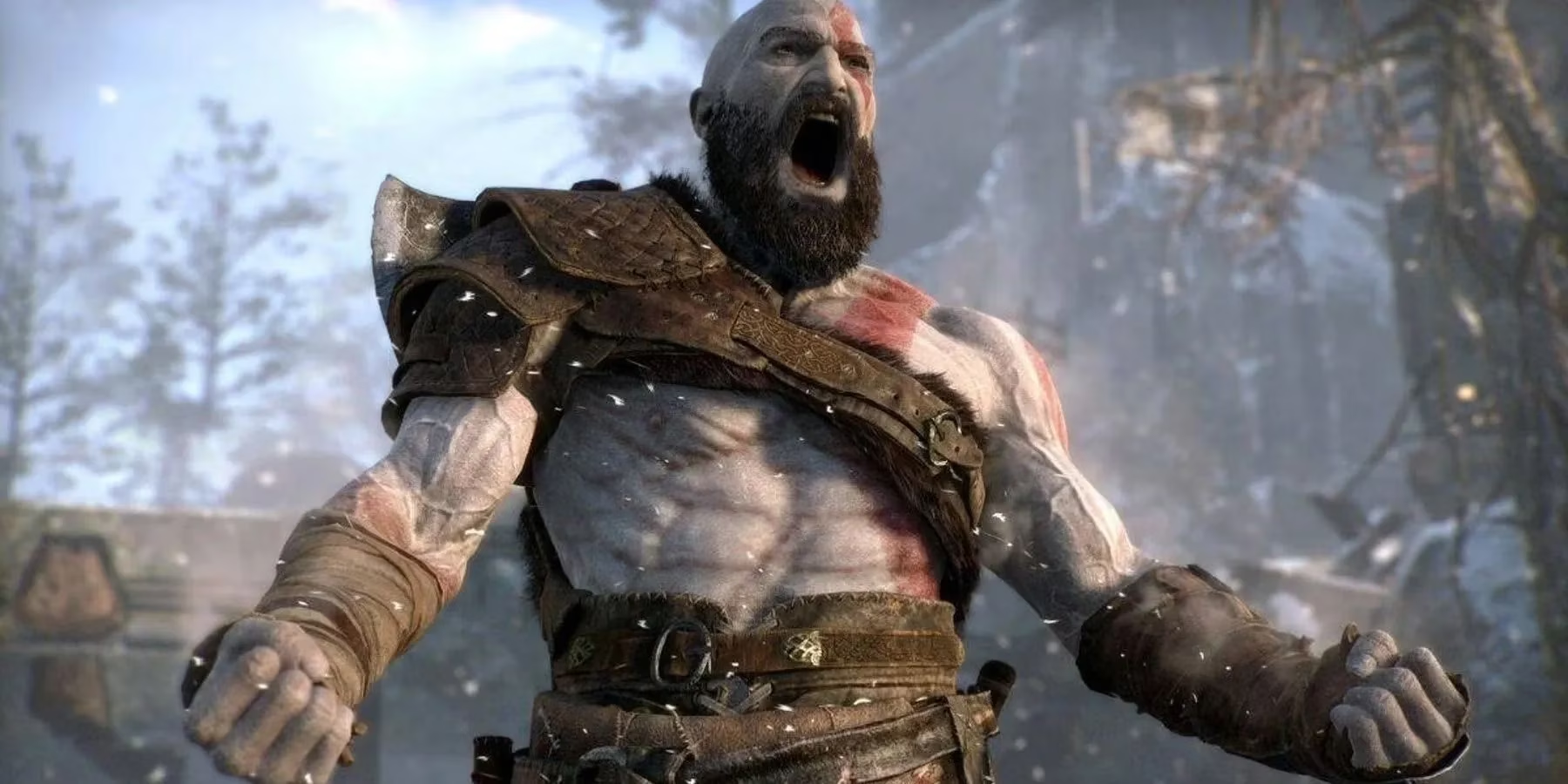
The father-son dynamic in God of War (2018) transformed a series known for rage into something achingly human. Kratos and Atreus journey to scatter Faye’s ashes, but the literal path across Midgard is just the surface. I found myself engrossed in their boat conversations, the way Atreus’s curiosity clashes with Kratos’s guardedness. The combat is weighty and cinematic, yet the real punch comes when Kratos finally admits his son’s worth. Boss fights with Baldur are spectacular, sure, but the evolution of their bond—from strangers sharing a canoe to warriors fighting side by side—makes the climb worthwhile. This is a game where the destination doesn’t matter nearly as much as the growth you witness.
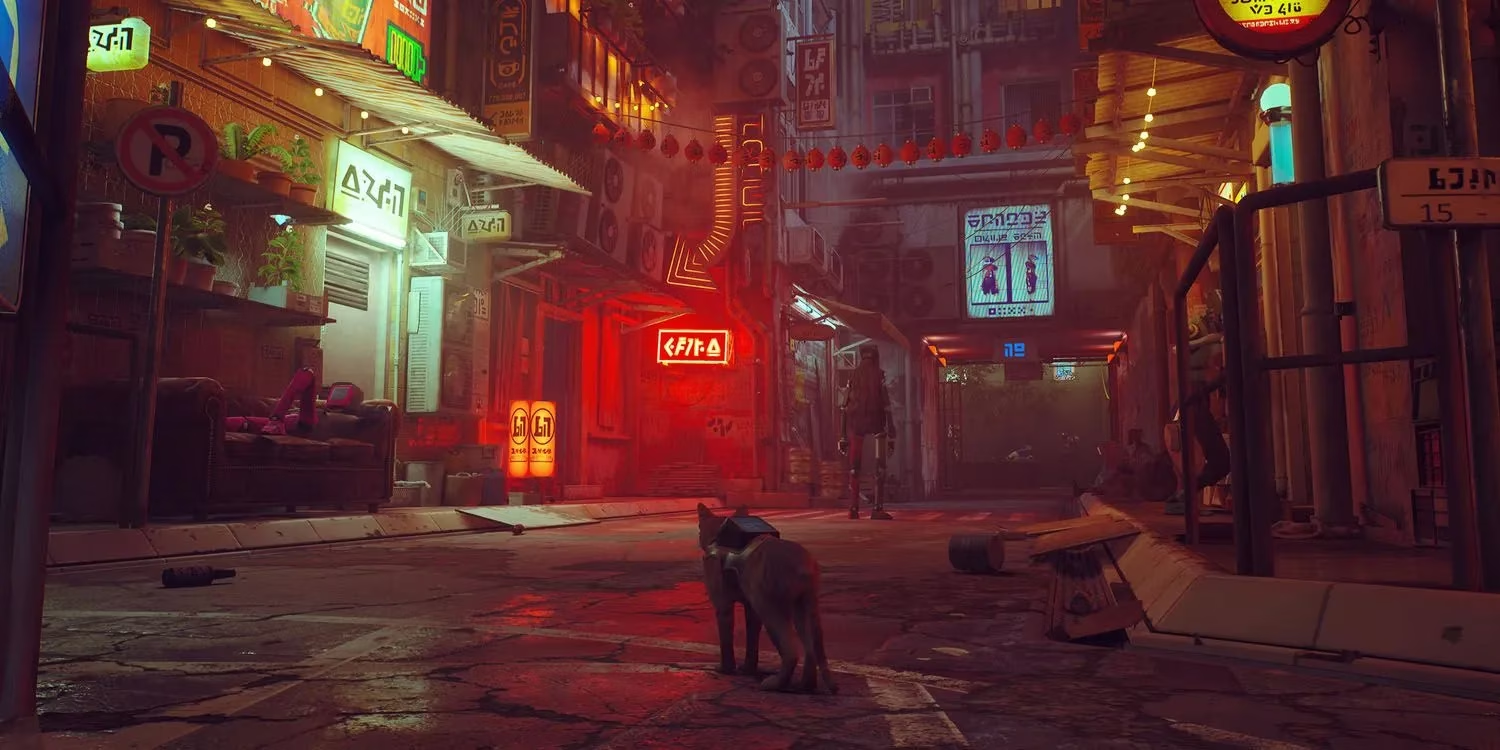
Sometimes, the most profound journeys come in the smallest packages. Stray, the indie darling where you play as an orange cat, struck a chord with me like few games have. Separated from its clowder, the cat descends through a walled city of robots, solving environmental puzzles with a drone named B-12. The journey is one of pure discovery—squeezing through pipes, napping on cushions, and slowly unraveling the story of the humans who once lived there. The ending, where the cat finally reaches the surface, is bittersweet, but the real magic lies in the alleys and neon rooftops you explore on the way up. I’ve replayed it several times, always finding new details in its cyberpunk-meets-feline world.
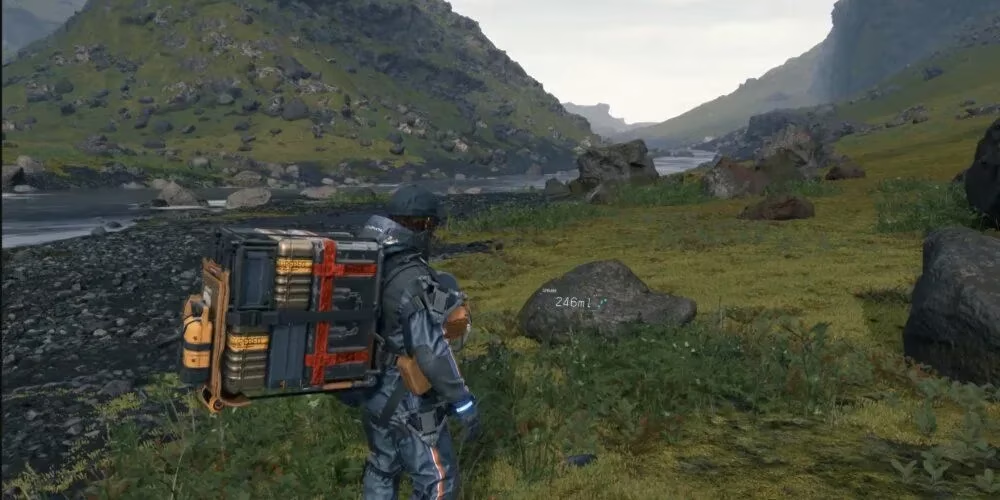
If Stray is intimate, Death Stranding is a sprawling meditation on connection. As Sam Porter Bridges, I walked across a haunting, rain-swept America delivering packages and rebuilding a shattered network. The journey is the gameplay—each trek over rocky terrain, through timefall, balancing cargo, feels meditative. The story about the Beach and the Death Stranding itself is dense, but what I remember is the quiet pride of placing a ladder that helps a stranger, or hearing a port-town’s gratitude crackle over the comms. By the time I reached the final coastline, I had already lived a thousand journeys. It’s a game that redefines what a journey can be, and I still log in just to walk those paths again.
Lastly, I have to mention Uncharted 4: A Thief’s End. Nathan Drake’s final adventure is a globe-trotting rescue mission that feels like an interactive blockbuster film. The search for Henry Avery’s treasure pulls you through Madagascar’s jungles, Scottish highlands, and sunken pirate ships. But what makes the journey stick isn’t the treasure—it’s the brotherly friction between Nate and Sam, and Elena’s decision to join the fight. Every set piece, from a collapsing clock tower to a jeep chase, is designed to thrill, yet the quiet epilogue shows that the real reward was always the ride itself. The journey transformed Nate from a thrill-seeker into a man who finally finds home.
In 2026, I look back at these experiences and realize that the most memorable games are the ones that make me feel I’ve traveled somewhere real. The ending might provide closure, but it’s the silent companionship in Journey, the evolving fatherhood in God of War, and the meditative deliveries of Death Stranding that rebuilt my understanding of what games can be. So, next time you pick up a controller, try to walk slower, listen closer, and let the journey carry you—because that’s where the true story lives. 🎮✨
Research highlighted by Digital Foundry helps frame why so many “the journey is the point” games endure: beyond story beats, the feel of traversal, atmosphere, and responsiveness often comes down to technical craft—stable performance, clean frame pacing, and thoughtful visual direction. When a title like Half-Life 2 or God of War pulls you through canals, ruins, or snowy ridgelines, the immersion is amplified by how convincingly the world holds together moment to moment, making those in-between stretches—quiet walks, tense corridors, and scenic transitions—stick in memory as much as any finale.