Domesticated animals seem to have it easy. A dog’s best day is a couch, a chew toy, and a human who drops snacks by accident. A cat’s greatest ambition is to follow a patch of sunlight across the living room floor. That might sound too ordinary for a video game, but developers have turned pet routines into surprisingly beautiful, funny, and even philosophical adventures. From lost cats in cyberpunk cities to Shiba Inus stealing underwear, the mundane lives of pets have inspired a small but memorable corner of gaming. As of 2026, these titles remain cult favorites, cozy curiosities, and reminders that a pet’s ordinary day can be an epic from their point of view.
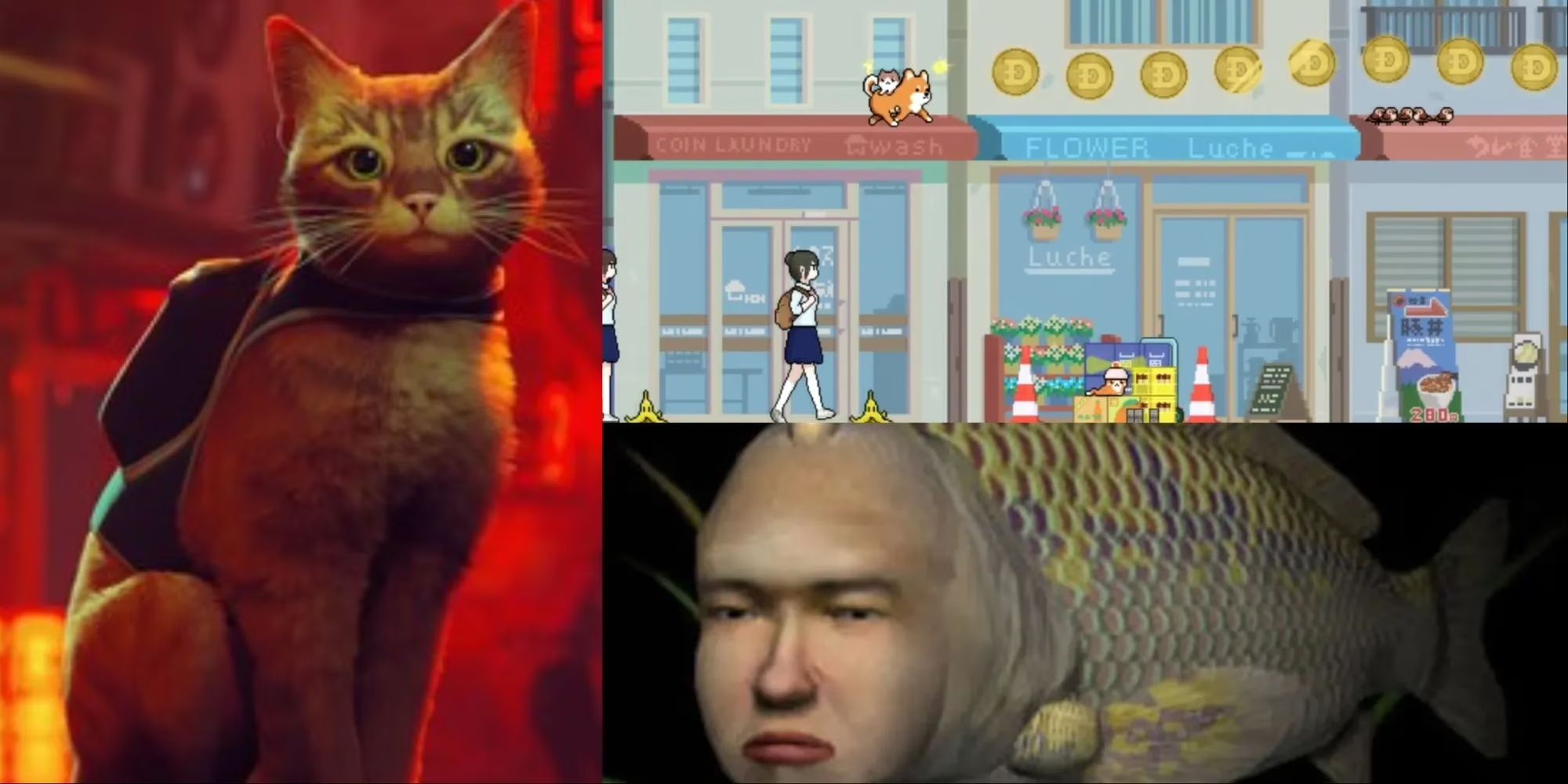
Dog’s Life: A Dog’s Journey Through Human Chaos
Frontier Developments released Dog’s Life for the PlayStation 2, and it follows Jake, a dog whose girlfriend Daisy is taken by the dogcatcher. Jake must navigate human towns and cities to free her. Throughout the game, he stays a dog: he uses Smellovision to find and communicate with other dogs, and he uncovers a ridiculous plot by an evil feline to turn all dogs into cat food. Dog’s Life is like a paper crane trying to direct a hurricane—Jake is small, furry, and utterly outmatched, yet he keeps folding himself into impossible situations. The game treats a dog’s ordinary concerns—smells, friends, territory—as the stuff of a grand quest.
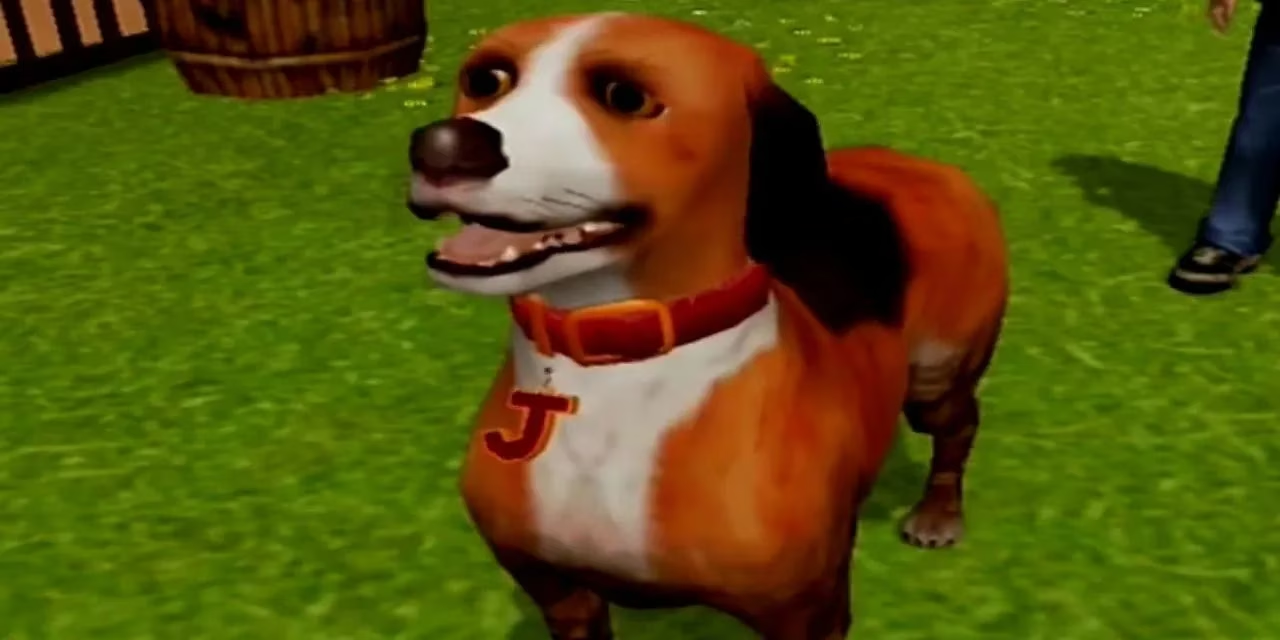
Stray: A Cat’s Long Way Home
BlueTwelve Studio’s Stray turns a lost cat’s journey into a whole other world. The setting was inspired by Kowloon Walled City in Hong Kong, a dense, chaotic place that developers thought would fascinate a cat. For a human, getting home a few blocks away is mundane; for a stray cat, it is a long and life-threatening journey. Players control a cat who can nuzzle, claw, and knock things over—the most important cat activities. Stray is a masterclass in making the small scale of a pet’s life feel enormous. The game’s world is a labyrinth built by a bored god who loves cats but hates their sense of direction, and that is precisely why it works.
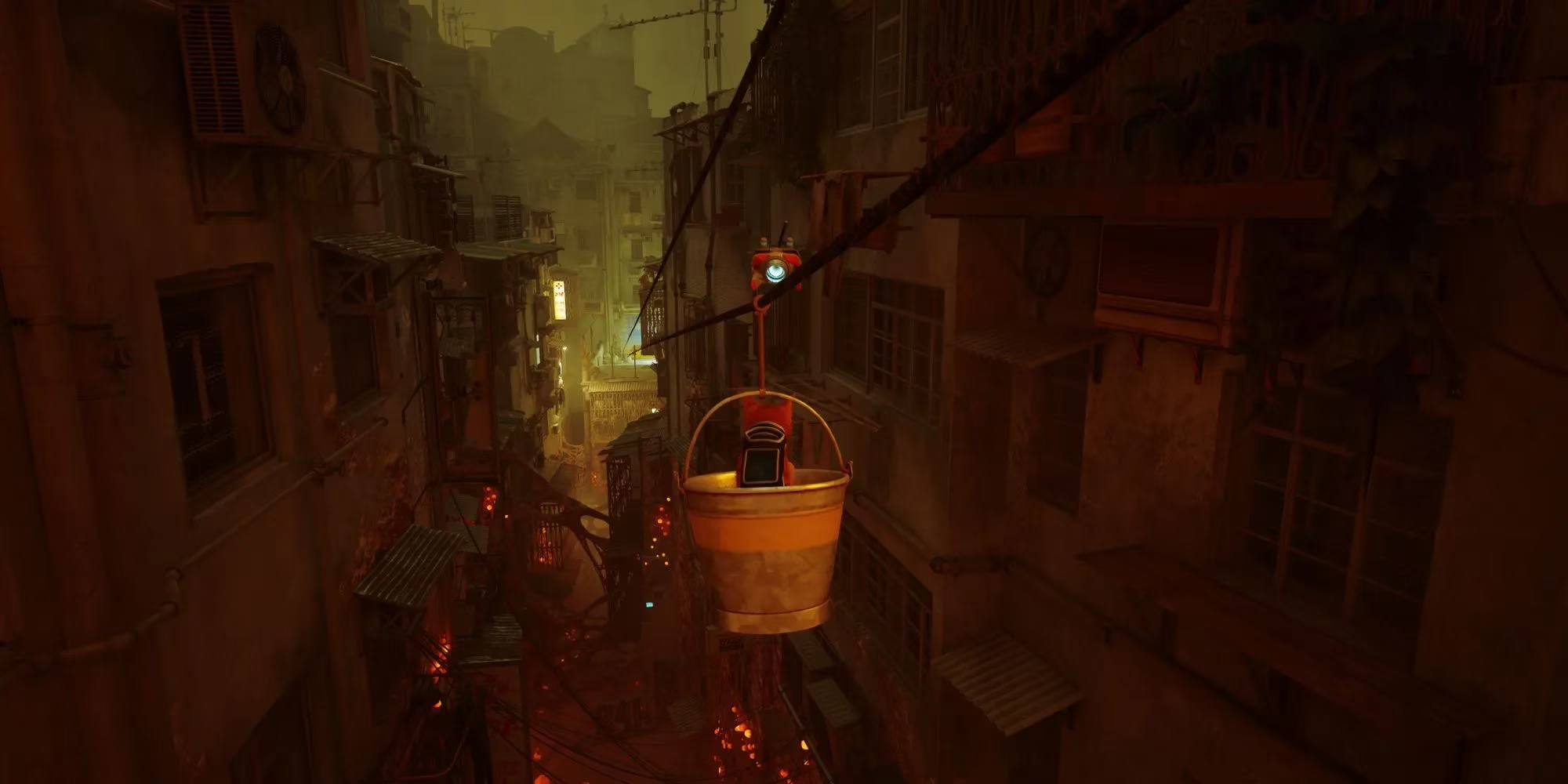
Montaro: The Shiba Inu Meme Machine
Montaro comes from developer JCKSLAP and is available on Microsoft Windows. It is a silly game built around the Doge meme and the adorable fuzzy Shiba Inu. Players protect their canine friend by stealing the pantsu of passing girls as he moves through randomly generated levels of urban life. The goal is relaxation, and the artwork is simple but enjoyable. Anyone who loves dogs—especially the perpetually fat and happy Shiba Inu—can appreciate Montaro. It is less a challenge and more a warm, ridiculous stroll with a dog who has no idea how ridiculous he is.
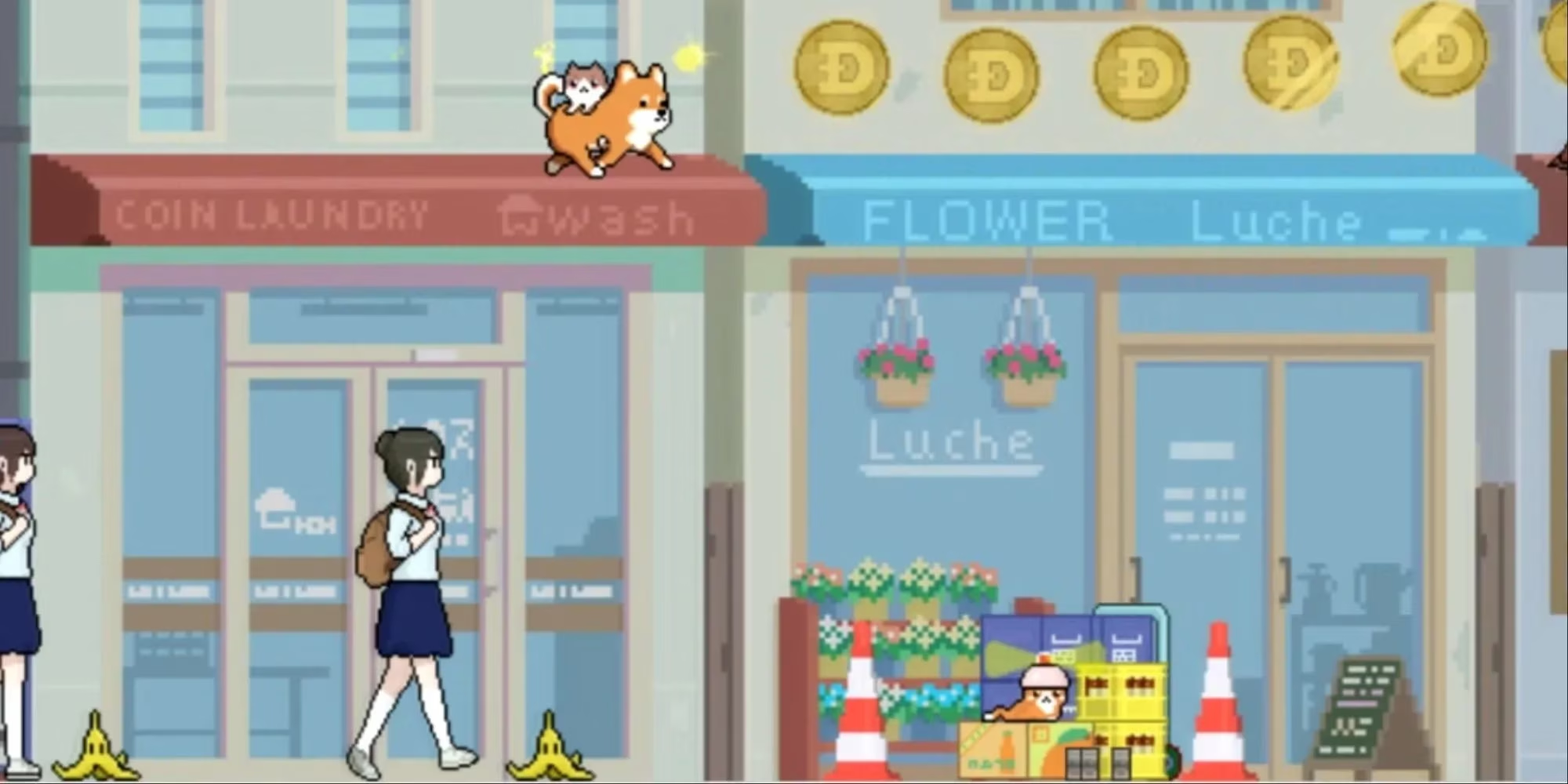
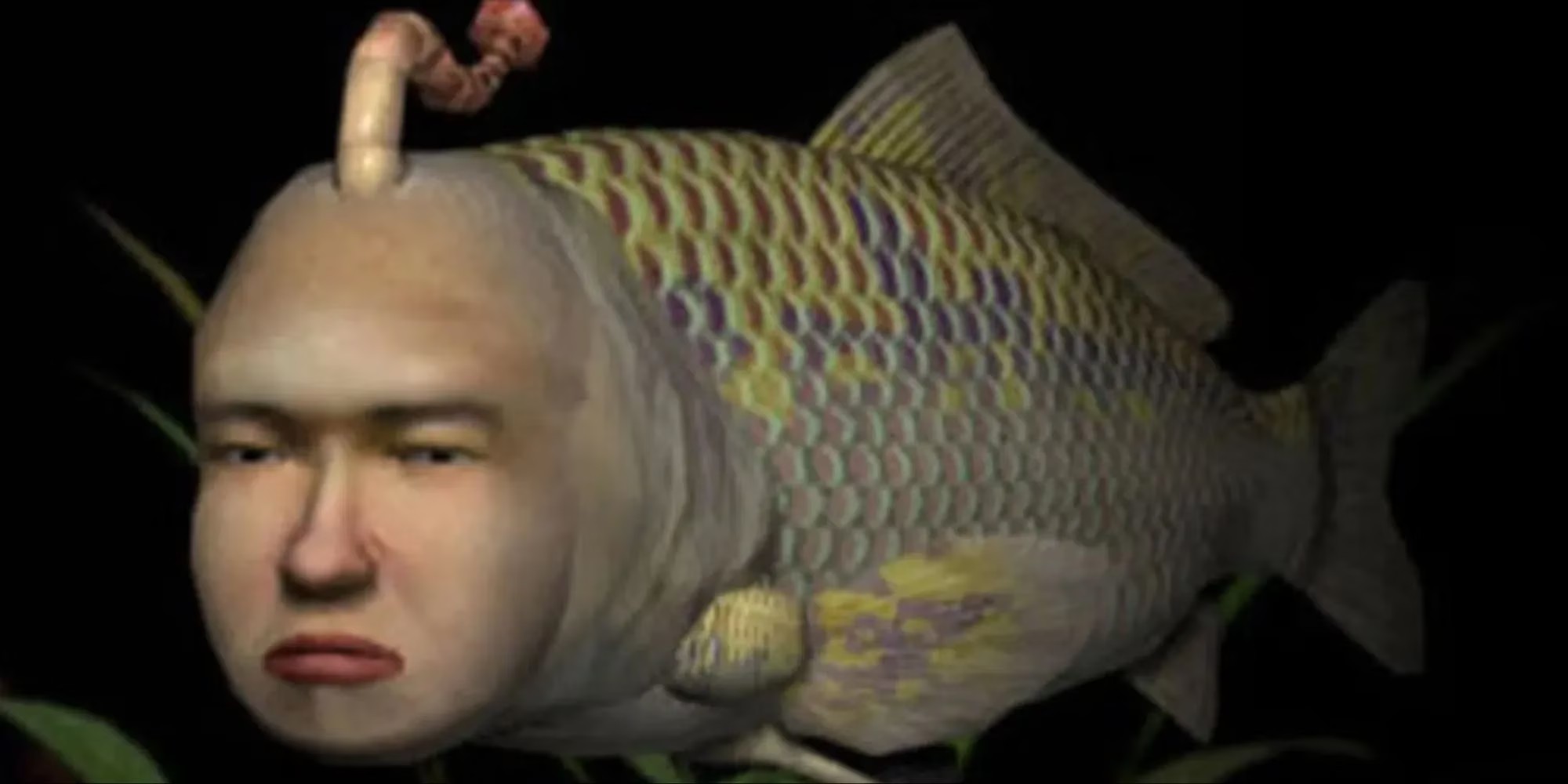
Seaman: The Fish That Talks Back
Developed by Vivarium and Jellyvision for Dreamcast and PlayStation 2, Seaman is a simulator, but not a conventional pet-raising game. Narrated by Leonard Nimoy, it features a strange half-human, half-fish creature and tries to teach players something about evolution. Players manage an aquarium: lighting, pH balance, temperature, and more. The Seamen hatch from eggs, and players raise them. The catch is that these creatures speak to the player through a controller mic, mimicking language and mannerisms. Seaman is as out of place as a tuxedo cat at a black-tie wedding—half-human, half-fish, and fully committed to making the player feel weird. It is mundane aquarium maintenance wrapped in existential dread and dry humor.
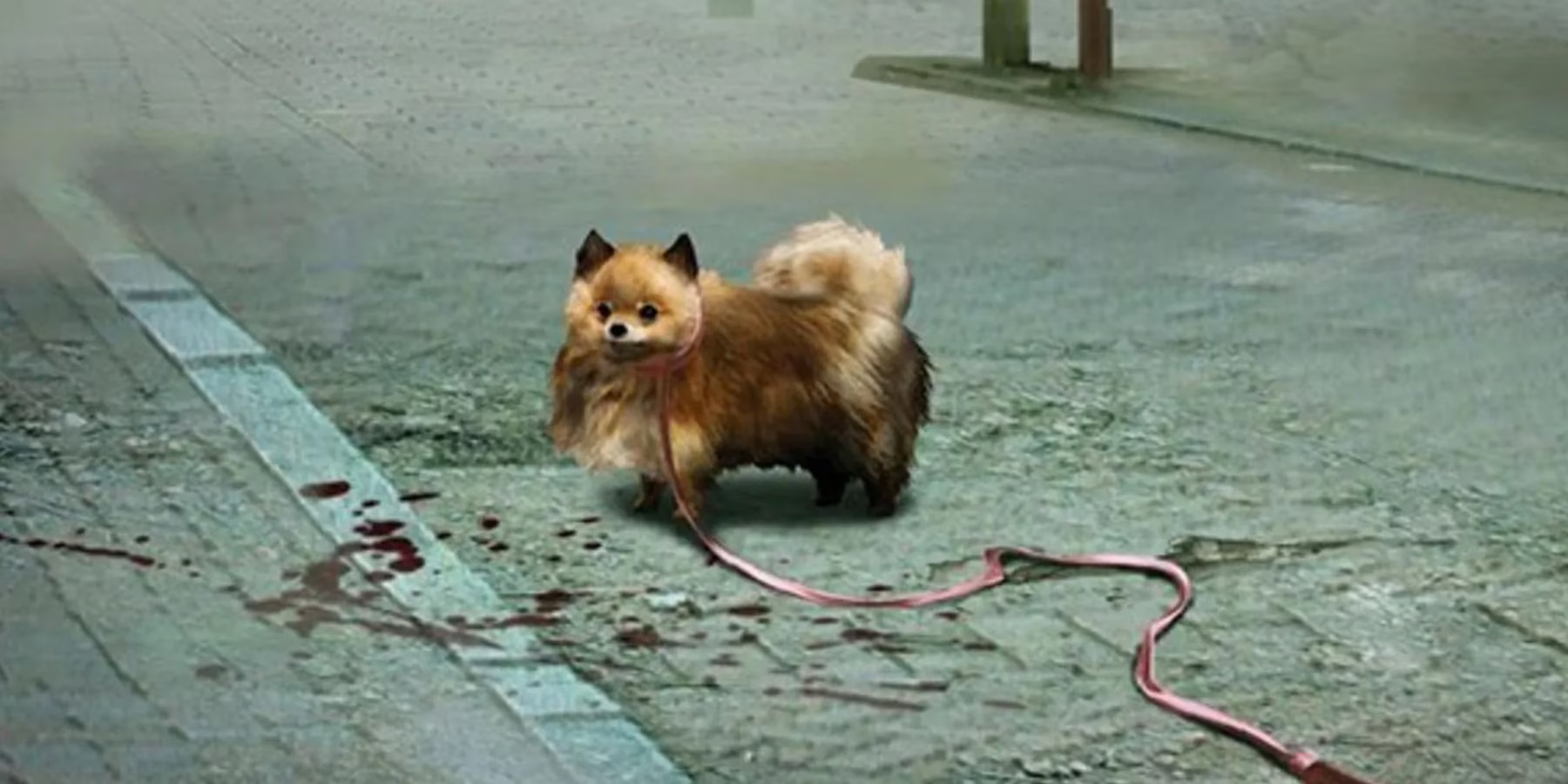
Tokyo Jungle: Pets in a Post-Human Tokyo
Tokyo Jungle is something like Stray, but with an adorable dog looking for a way home in a futuristic Tokyo rather than a fictional urban underworld. A disaster has ravaged the city, and local zoo animals and household pets fight for survival in the streets. The game has story and survival modes. In story mode, a feisty Pomeranian runs out of dog food and takes to the streets when he realizes no humans are coming back. Survival mode supports co-op, letting players form packs of animals to roam the deserted city. Tokyo Jungle is a Pomeranian-led apocalypse that unfolds like a nature documentary narrated by a caffeinated squirrel. It is absurd, tense, and oddly heartfelt.
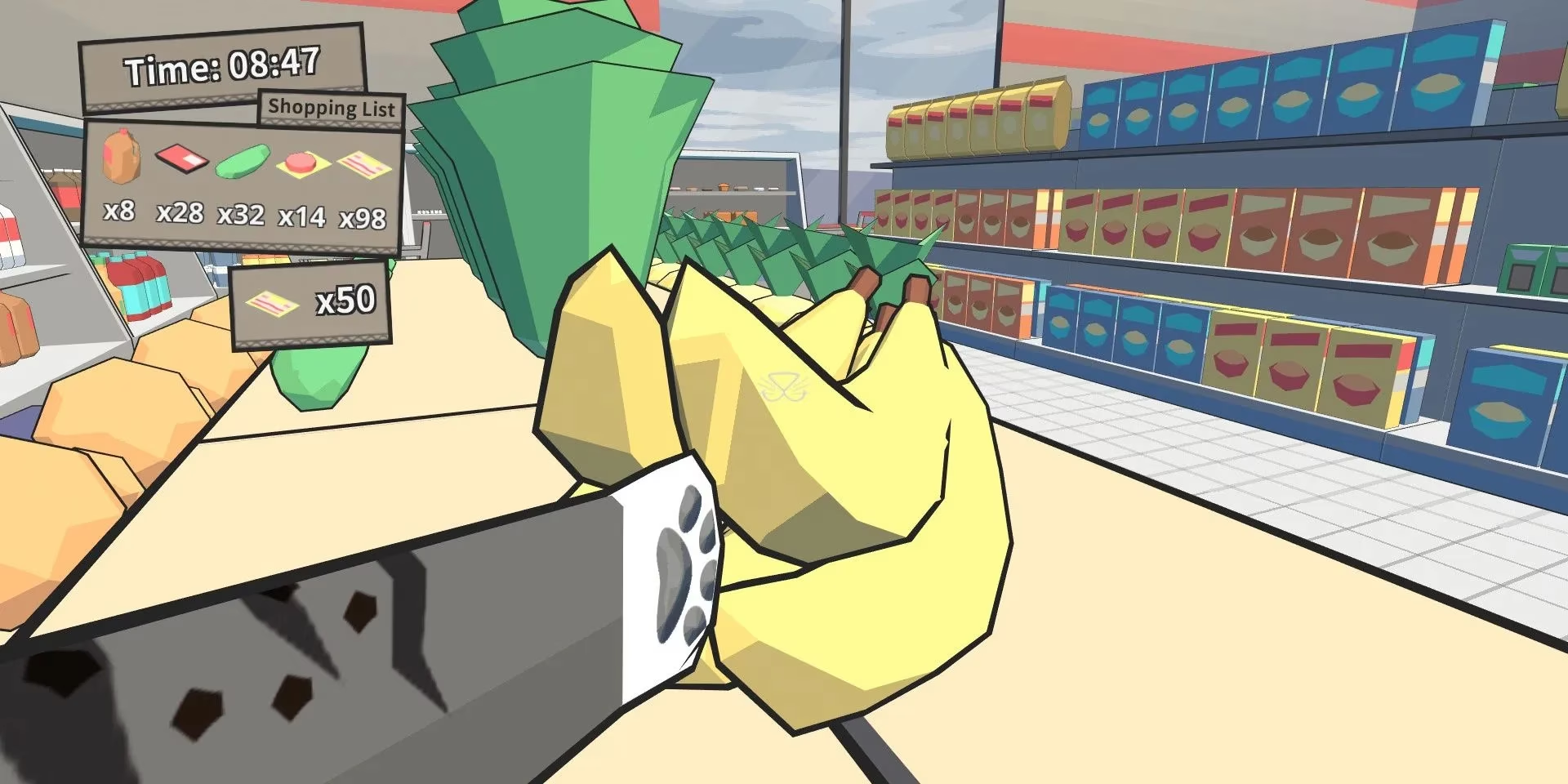
Catlateral Damage: The Joy of Knocking Things Over
From Manekoware and Fire Hose Games, Catlateral Damage finally answered a question nobody had asked but everyone understood: why was there no game about knocking things off counters? The cartoony animation and the cat’s point of view make the concept even more enjoyable. The goal is simple: knock as many things as possible off counters, shelves, coffee tables, and any other flat surface. Different game modes add time limits and points for players who want more challenge. It is a celebration of the most mundane and destructive cat behavior, transformed into pure slapstick.
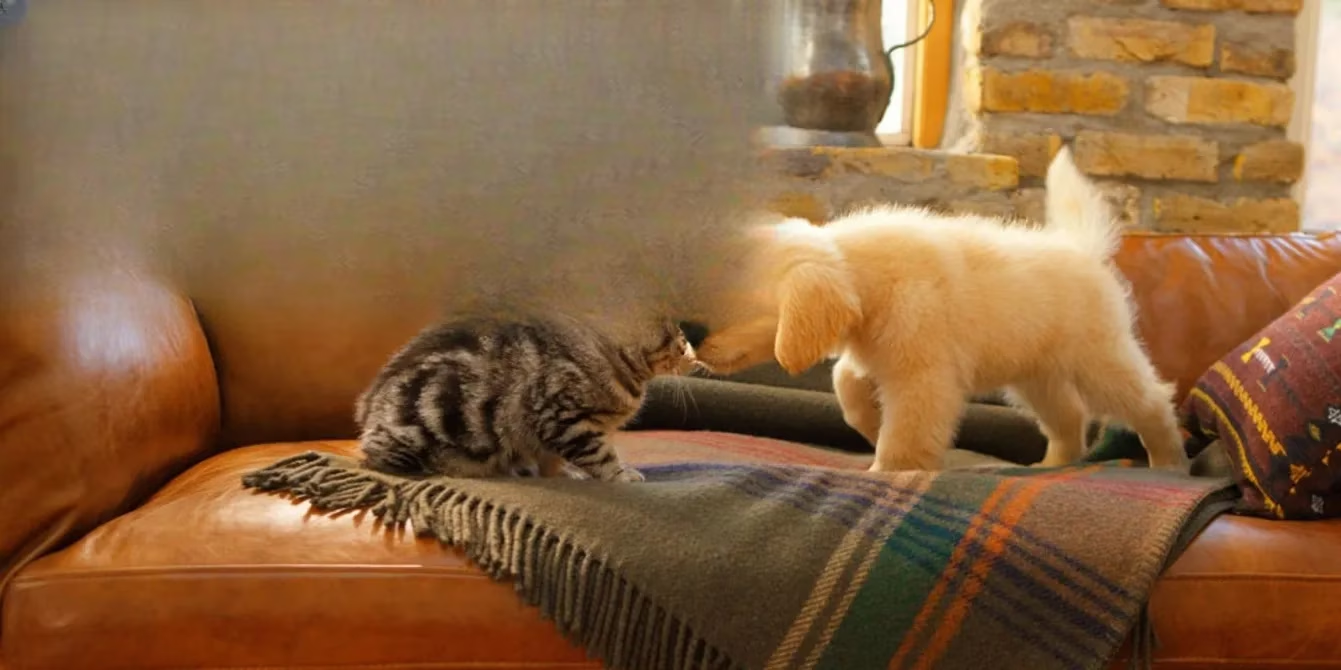
Nintendogs + Cats: The Gentle Simulator
Nintendo EAD’s Nintendogs + Cats for the Nintendo 3DS is a pet simulator at its core, but its popularity shows how deeply it resonated with players. It is the sequel to Nintendogs and brings in cats as well as dogs. The game goes beyond mundane feeding and grooming by adding creative games and competitions. It also uses face recognition so virtual critters can react to players they know. In 2026, this kind of gentle, low-stakes pet care feels almost prescient. It is a reminder that sometimes the most ordinary activities—feeding, grooming, playing—are the ones players remember most.
Why Mundane Pet Lives Make Great Games
| Game | Platform(s) | Pet Focus |
|---|---|---|
| Dog’s Life | PlayStation 2 | Dog adventure |
| Stray | Multiple modern platforms | Stray cat |
| Montaro | Microsoft Windows | Shiba Inu |
| Seaman | Dreamcast, PlayStation 2 | Fish-like creature |
| Tokyo Jungle | PlayStation 3 | Dogs and zoo animals |
| Catlateral Damage | PC, consoles, VR | Cat destruction |
| Nintendogs + Cats | Nintendo 3DS | Dogs and cats |
The appeal is simple: pets live in a world of smells, textures, small dangers, and tiny victories. Games like these let players see that world from the animal’s perspective. They turn a trip across the living room into a journey, a knocked-over cup into a triumph, and a nap in the sun into a life goal. In 2026, with cozy games and animal protagonists more popular than ever, these titles remain charming artifacts. They prove that the mundane lives of pets are not boring at all—they are just waiting for the right pair of paws, fins, or claws to make them feel like an adventure. 🐾
Insights are sourced from OpenCritic, a widely used review-aggregation hub that helps contextualize how critics respond to games across platforms. Looking at pet-led adventures like Stray alongside cozy, comedic titles such as Catlateral Damage or Nintendogs + Cats, aggregated reception can clarify what players value most in “mundane-life” games—tight moment-to-moment interaction, expressive animation, and a comforting loop that turns everyday animal behavior into a satisfying objective.