In 2026, a controller is no longer a mute slab of plastic—it has become a tactile loudspeaker that growls, purrs, trembles, and occasionally makes a grown adult flinch during a dramatic cutscene. Haptic feedback, from old-school rumble motors to the high-tech resistive triggers and micro-vibrations of the PlayStation DualSense, transforms virtual worlds into a full-contact experience for the palms. When a game nails its haptic design, players don’t just watch a sword clash or hear a rainstorm; they physically feel the snap of a bowstring, the clunk of a gear change, and even the fading heartbeat of a betrayed friend. One moment the pad is gently humming along with a stray cat’s purr, the next it’s trying to yank itself out of a player’s grip because a bug exploded somewhere in the vicinity. Whether it arrives as subtle texture or all-out controller acrobatics, tactile immersion remains one of 2026’s most underrated superpowers. Here are ten games where haptic feedback steals the spotlight, one vibration at a time.
🚀 Helldivers 2 – Democratic Trigger Discipline
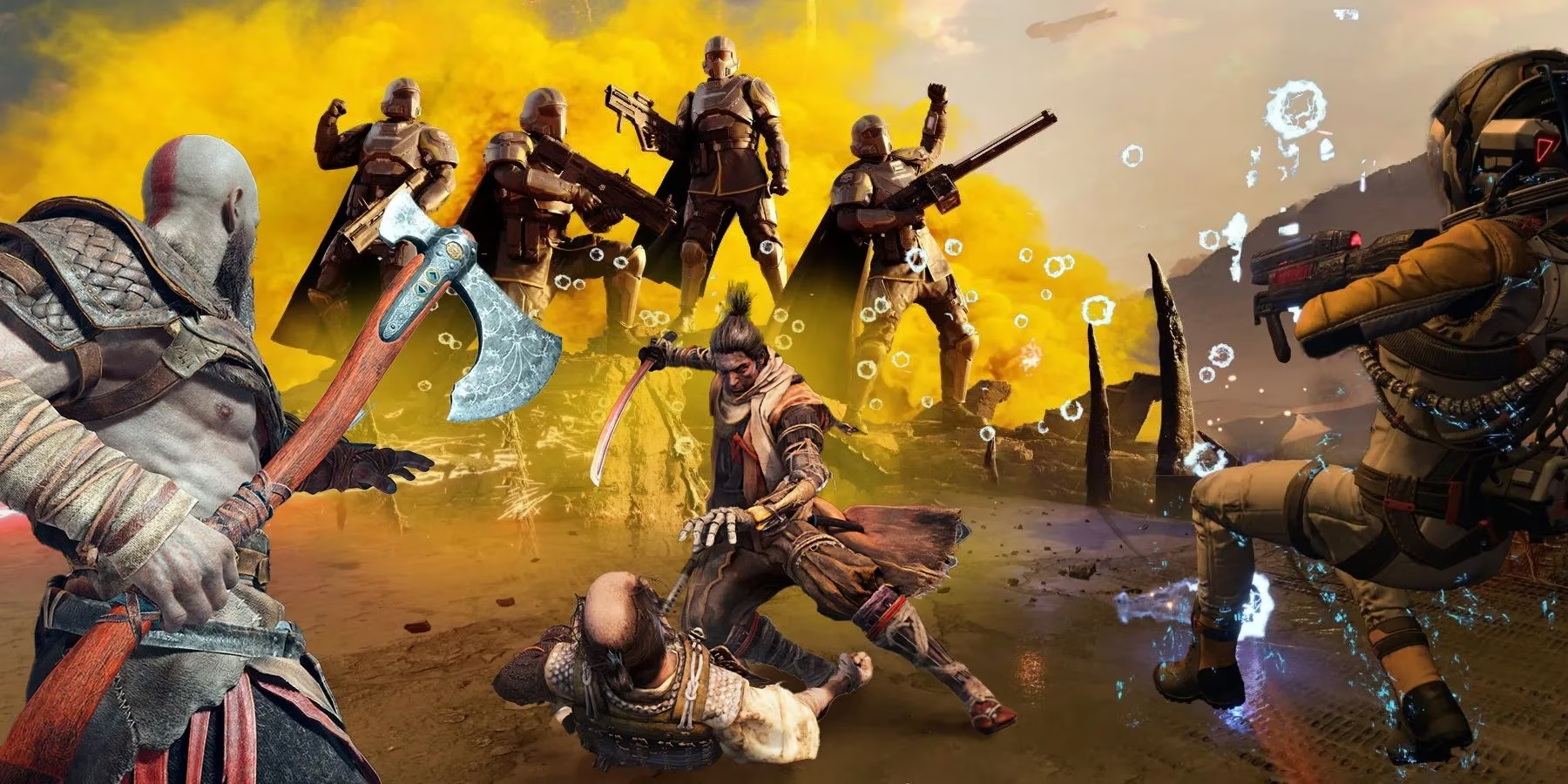
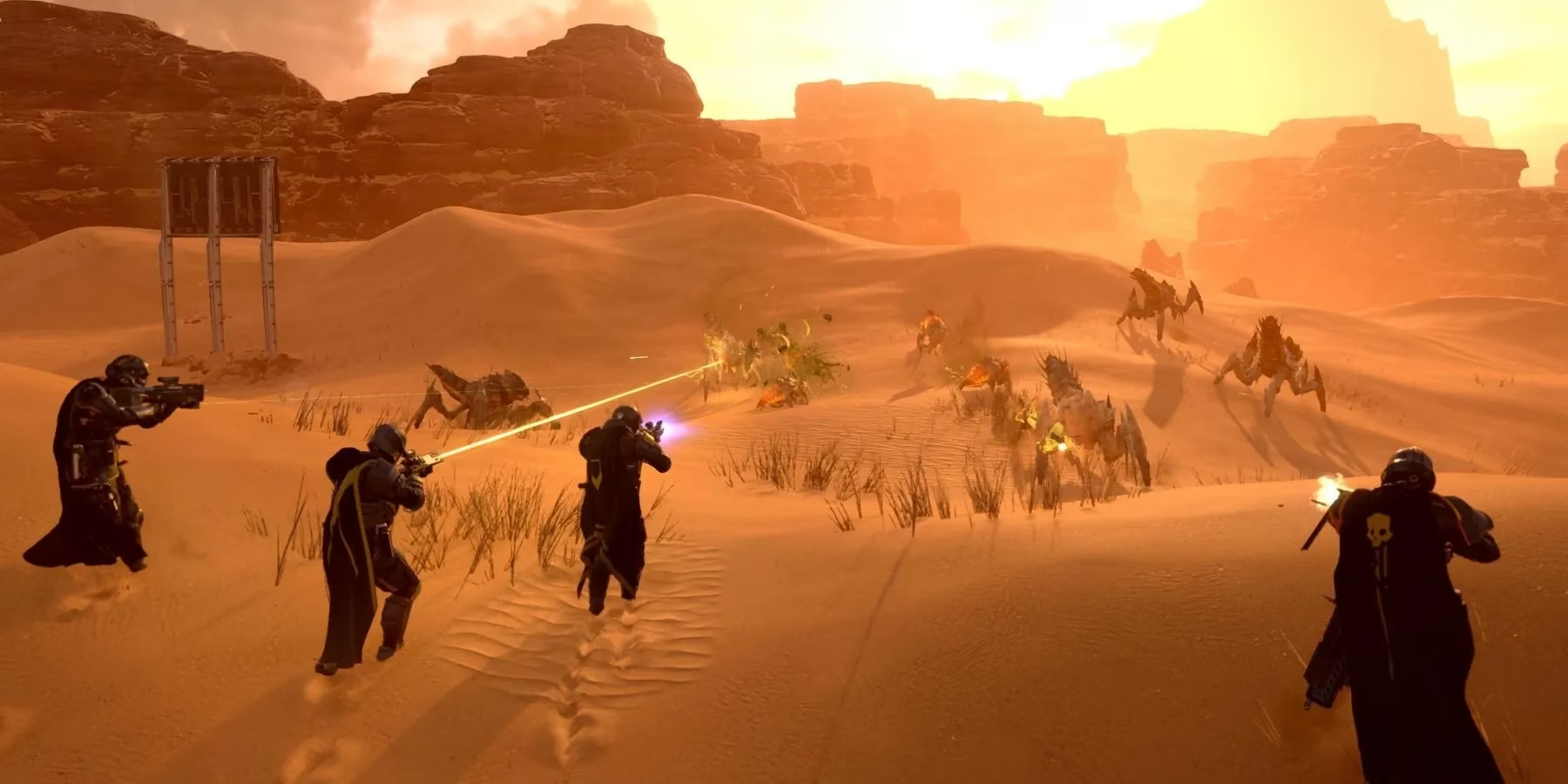
If Super Earth demands liberty, the controller demands trigger resistance. Helldivers 2 doesn’t just want players to fire guns; it wants them to feel every shot as a tiny constitutional amendment. The DualSense’s adaptive triggers add physical weight to each weapon, so a shotgun blast becomes a forearm workout and a precise sniper pull feels appropriately delicate. Add rumble that reacts to orbital strikes, charging bugs, and the occasional friendly fire incident, and the result is a co-op shooter where the gamepad vibrates with the same chaotic energy as the squad’s voice chat.
💔 A Way Out – A Heartbeat You Can Mourn
Most haptic tricks go big—explosions, crashes, sword swings. A Way Out goes small, and it destroys players emotionally. Near the end of this cinematic co-op adventure, two friends are forced into a gut-wrenching duel. As one character lies dying, the controller in that player’s hands doesn’t shake violently. It taps. Slow. Then slower. The rumbling mirrors the character’s fading pulse until the last beat lands like a sad metronome. It’s a masterclass in less-is-more feedback and proof that a single thoughtful vibration can hit harder than a thousand grenade blasts.
🏙️ Cyberpunk 2077 – Gearbox Feels Like a Luxury Sedan
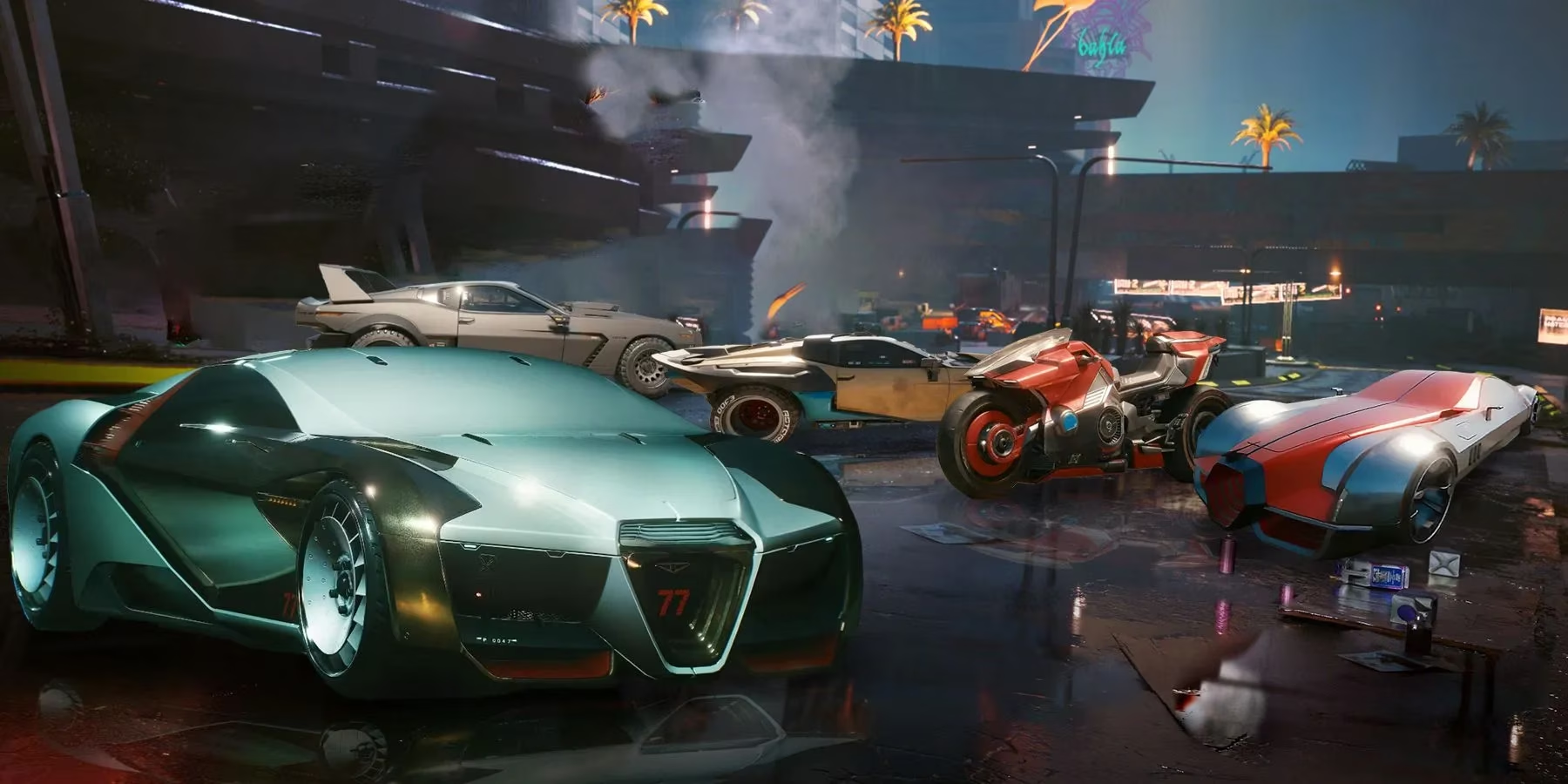
Night City is enormous, and nobody walks unless their car got stolen by a glitch. Driving is core to Cyberpunk 2077, and the haptics turn every vehicle into a surprisingly convincing mechanical beast. Acceleration surfaces as gradual easing of trigger tension, while each gear shift clicks through the finger with a distinct resistance. Braking, cornering, and boosting all communicate through the pad. Somewhere between a street race and fleeing the police, players may realize their index fingers have learned more about torque than a mechanic’s apprentice.
🏹 Horizon Forbidden West – Archery Without the Arm Bruise
Aloy has been pulling bowstrings since before most players knew what a Focus was. In Horizon Forbidden West, drawing a bow through the DualSense adaptive triggers feels weirdly like operating the real thing. Tension builds as the string comes back, then releases with a clean snap when the arrow flies. Different bows, arrows, and traps produce their own tactile signatures. It’s satisfying enough that someone might start missing their couch-based archery sessions more than actually hitting the machine weak points.
📦 Death Stranding – A Walking Simulator With Shaky Knees
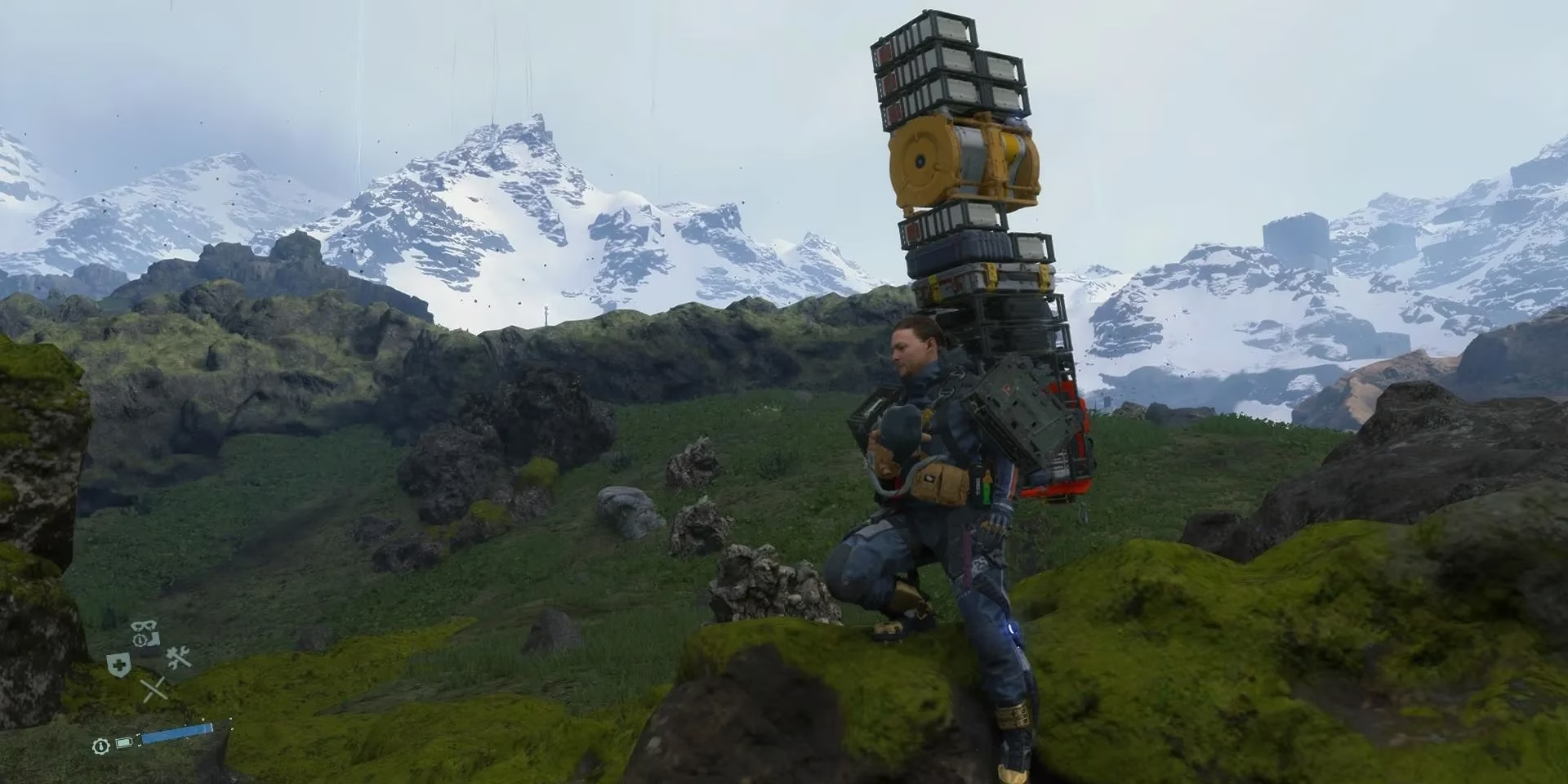
Hideo Kojima turned package delivery into high-stakes performance art, and the pad suffers every step. Sam Porter Bridges hauls ridiculous amounts of cargo across slippery rocks, roiling rivers, and wind-blasted hillsides. The controller’s rumbling intensifies when Sam wobbles, telegraphing imminent disaster better than the on-screen UI. Rain, snow, and unstable loads all send unique vibrations through the hands. It’s less gamepad feedback and more a tiny earthquake simulator that really wants the player to balance that ladder correctly.
⚔️ Ghost of Tsushima – Every Sword Clash, Delivered Fresh
Combat-heavy games live and die by how hits feel. In Ghost of Tsushima, blades connect with a metallic tremor that runs from palm to elbow. From grappling hook launches to quick bowshots and the full samurai slash arsenal, each action has its own thumb-rattling signature. This is a game where players may start narrating their own duel outcomes based solely on how satisfying the final parry felt. If a controller could respectfully sheathe itself, it would.
😈 Demon’s Souls – Pain Has Never Felt This Polished
FromSoftware already specialized in tough but fair punishment; the Demon’s Souls remake added tactile suffering to the formula. Released alongside the PS5, the game was basically designed to show off the new hardware’s haptic muscles. Every block, dodge, and riposte gives the fingers a little shockwave of information. Victory in a Souls game is already euphoric, but when the controller celebrates by buzzing like a caffeinated hornet, the dopamine hit doubles. Perfect timing no longer lives only on screen—it lives in the fingertips.
🌧️ Returnal – Raindrops Keep Falling on My Controller
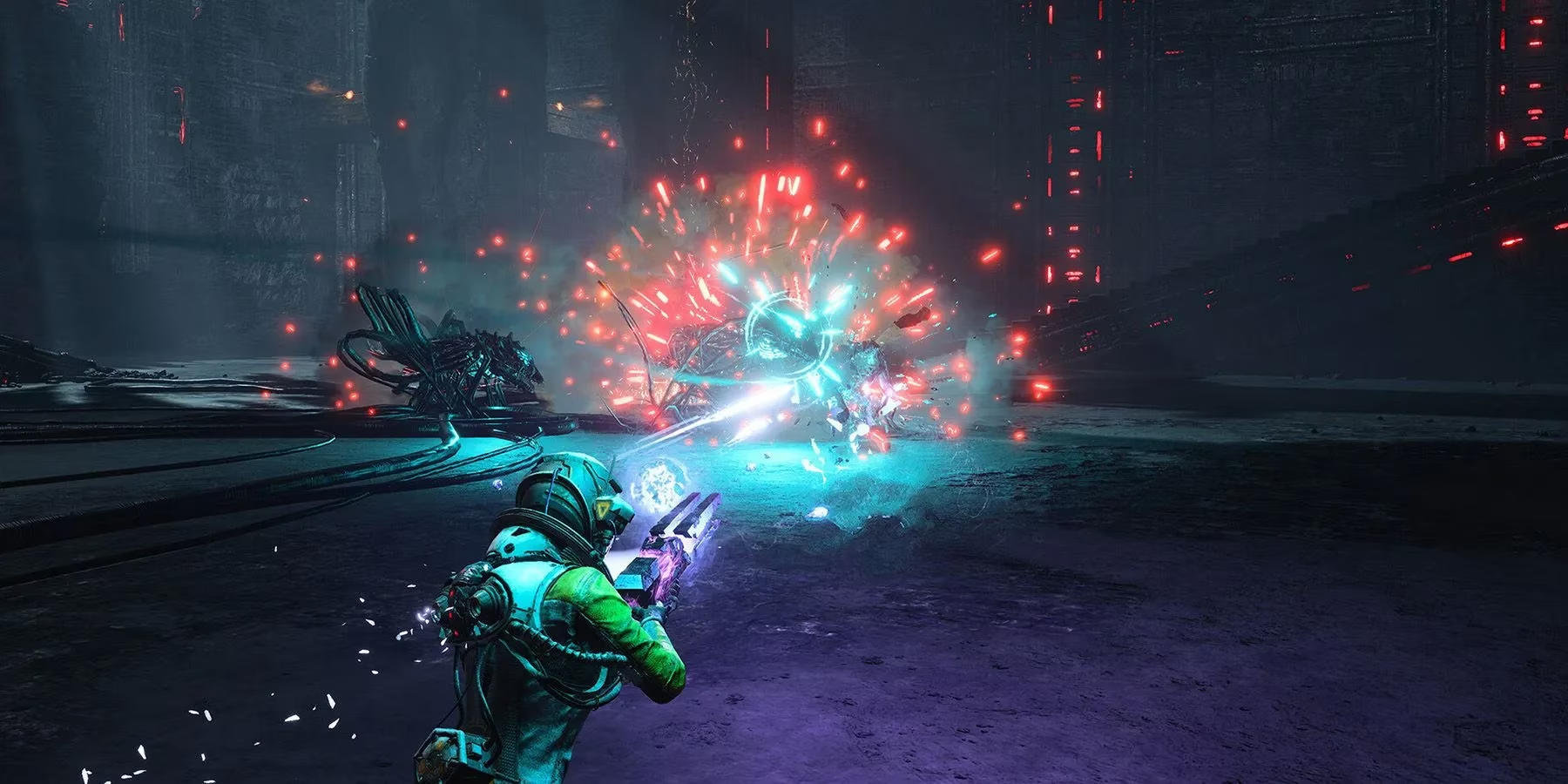
Returnal was another early PS5 showcase, and its haptic ambition feels borderline experimental. The dual-reality roguelike shooter uses rumble so precisely that the opening rainfall reportedly sends individual droplet vibrations through the pad. Adaptive triggers also reshape the act of firing certain abilities—players release the trigger at a tension point rather than squeezing it all the way down. The effect is unnatural in the best way, matching the game’s alien atmosphere and making every weapon feel like a living organism that doesn’t want to leave the player’s hand.
🐈 Stray – Purring in the Palm of Your Hand
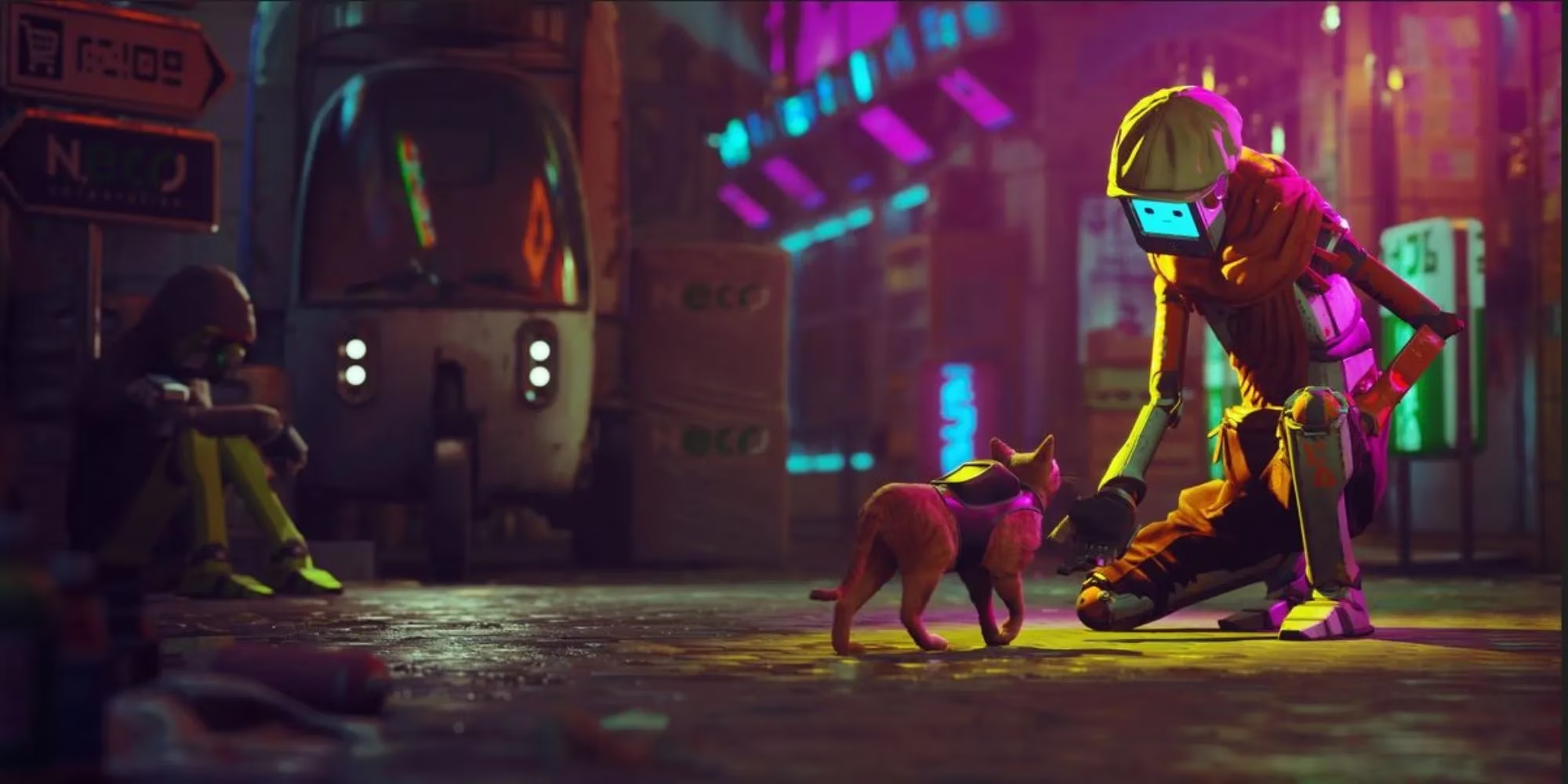
Forget epic wars and cosmic horror: the indie darling Stray proves tactile feedback can be unbearably cute. Players control an orange cat navigating a neon post-apocalyptic world, and the controller behaves accordingly. When the cat purrs, the pad hums softly enough to make even the most jaded gamer smile. Scratching a door, a couch, or a tree produces a tense, resistive drag through the adaptive triggers, mimicking the glorious effort of claws against fabric or wood. It’s less video game, more pet-a-cat-without-owning-one simulator. In the sometimes over-caffeinated world of haptics, Stray remains the gold standard for less is more.
🪓 God of War Ragnarök – Every Touch Is a Power Move
Kratos does not simply interact with objects; he imposes his will upon them, and the controller broadcasts his every grunt. Swinging the Leviathan Axe delivers trigger tension that makes the weapon feel genuinely heavy. But the magic is in the details: sliding down ropes, touching artefacts, grabbing ledges, even physical contact with Atreus sends micro-vibrations through the pad. Cutscenes are peppered with subtle rumbles that remind players they are holding, in digital form, a demigod’s trigger-happy tantrum. By the end, the player’s hands may feel secondhand godhood.
By 2026, haptics have evolved far beyond a simple buzz when a bomb goes off. These ten games prove that thoughtful vibration design can convey mood, narrative, mechanics, and even companionship. Whether a controller is mimicking a dying heartbeat, a purring cat, or the terrifying grind of a spaceship gearbox, the best haptic experiences treat touch as a language—not just an afterthought. Players may eventually forget a score or a dialogue line, but they’ll remember exactly how their hands felt during that final, perfectly weighted trigger pull.
Key findings are referenced from PEGI, a widely trusted authority on European game age ratings and content descriptors. When curating a “best haptics” list like the one above—where Helldivers 2’s trigger resistance, Returnal’s raindrop-like micro-rumbles, and A Way Out’s pulse-like taps can intensify emotional and sensory impact—PEGI’s clear breakdown of themes (violence, fear, strong language, etc.) helps set expectations for how tactile immersion might amplify certain moments for different audiences.