As anime continues to be a dominant force in global entertainment in 2026, reaching audiences of all ages, a critical conversation persists about the suitability of certain popular characters for younger viewers. While many series are rated for teenagers, the personalities and behaviors of specific characters often push the boundaries of what is appropriate for impressionable minds. These characters, though frequently fan favorites due to their complexity and narrative impact, embody traits—from dark humor and perversion to manipulation and outright cruelty—that make them poor influences on children.
10. Dazai Osamu's Suicidal Humor Isn't for Kids
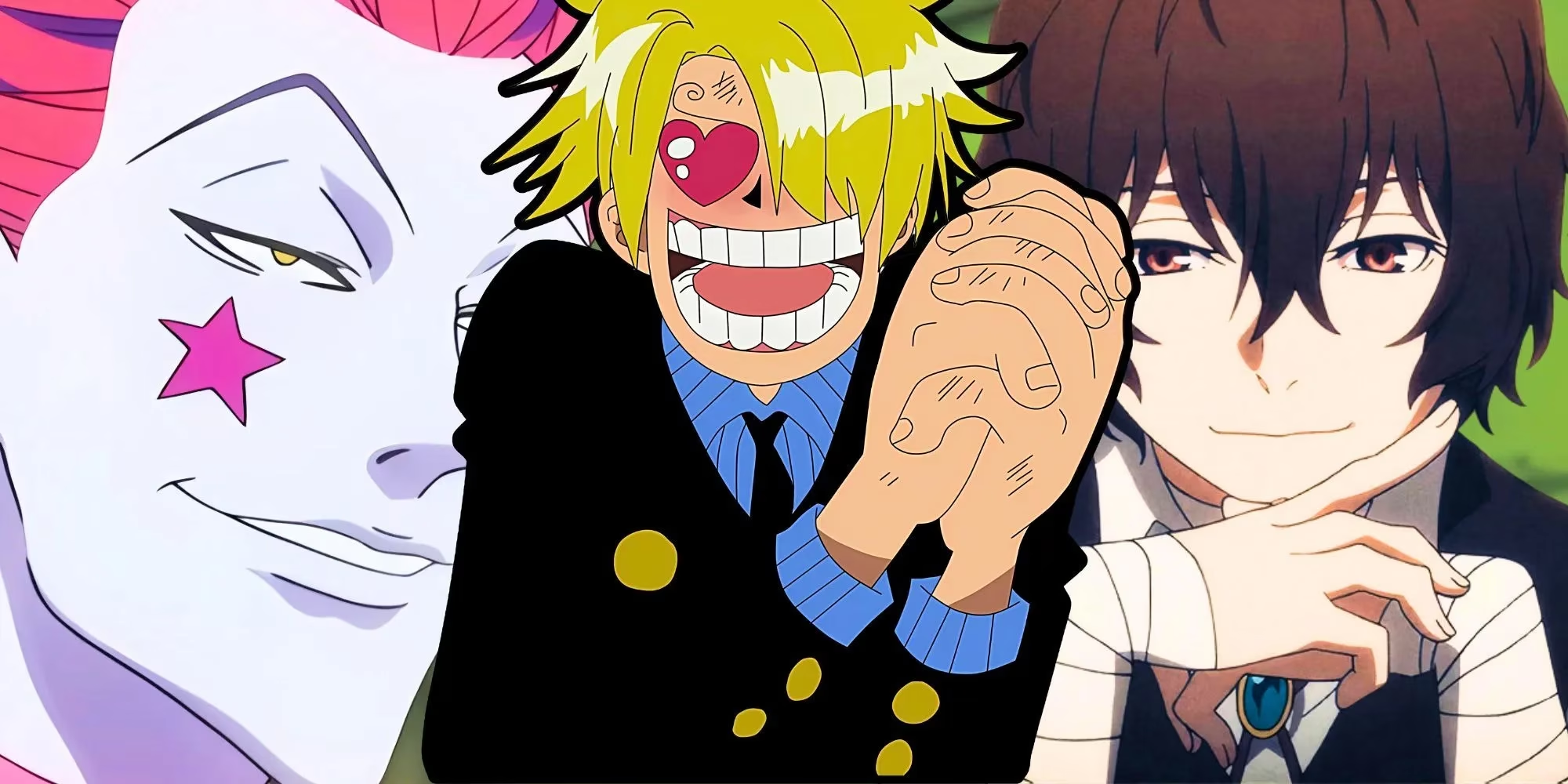
From Bungo Stray Dogs, Dazai Osamu is a brilliant and charismatic figure who carries much of the series' appeal. However, his frequent, flippant references to suicide and a fascination with death overshadow his intelligence and wit. While his mysterious nature adds narrative intrigue, his dark humor surrounding self-harm normalizes a dangerous topic, sending a problematic message to younger audiences who may not fully grasp the context. His character, though compelling, is a reminder that complex adult themes packaged as personality quirks are not suitable for casual exposure to children.
9. Minoru Mineta Is a Hero, But Not a Role Model
In My Hero Academia, Minoru Mineta, the Fresh-Picked Hero: Grape Juice, stands as one of the series' most controversial figures. Technically possessing a good heart, his actions are overwhelmingly defined by extreme perversion, constant inappropriate remarks, and attempts to invade the privacy of his female classmates. His behavior is so pronounced that it makes his peers uncomfortable. Coupled with deep-seated insecurity and jealousy, Mineta's character is less a source of humor and more a disturbing example of behavior that should not be normalized for young viewers.
8. Meliodas Is Faithful, But Not an Admirable Figure
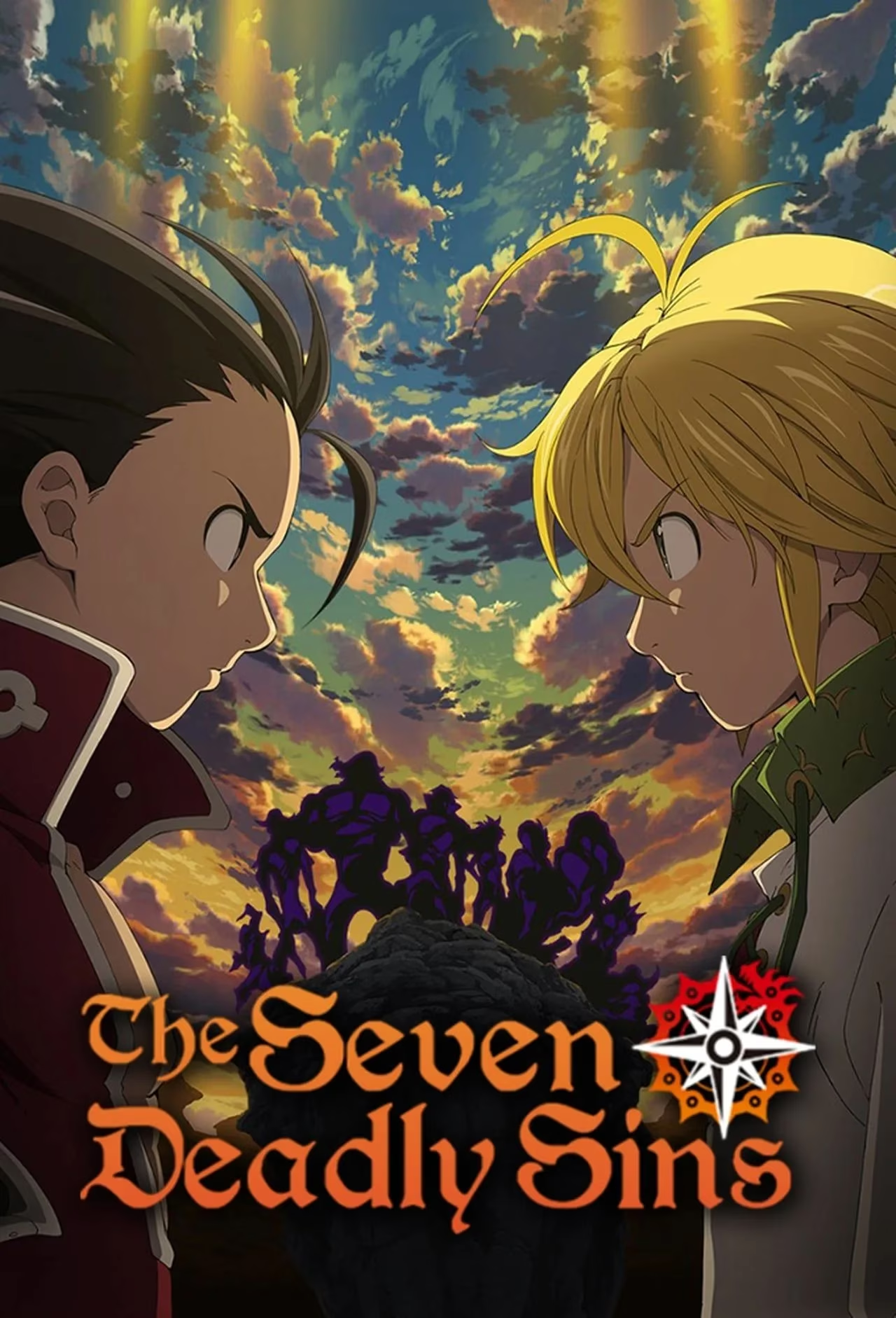
Meliodas from The Seven Deadly Sins is a powerful leader, but his behavior towards Elizabeth raises significant concerns. The series often frames his inappropriate actions—such as unwanted physical advances—as lighthearted or comedic, downplaying their problematic nature. This portrayal sends a confusing message about boundaries and respect in relationships. While his love for Elizabeth drives the plot, the normalization of his actions makes him an ill-suited role model, demonstrating that charisma and strength do not excuse a lack of integrity.
7. Roshi Is a Legendary Mentor With Questionable Behavior
Master Roshi from Dragon Ball is an iconic and wise teacher to Goku and Krillin. Yet, his legacy is tarnished by a persistent and overtly perverted nature. His inappropriate behavior towards women is consistently played for laughs within the series, undermining the respect he commands as a martial arts master. This contradiction presents a flawed example to young viewers, suggesting that wisdom and skill can coexist with, and even be overshadowed by, disrespectful conduct. A true mentor should inspire respect in all aspects, a standard Roshi frequently fails to meet.
6. Rudeus Greyrat's Disturbing Predicament
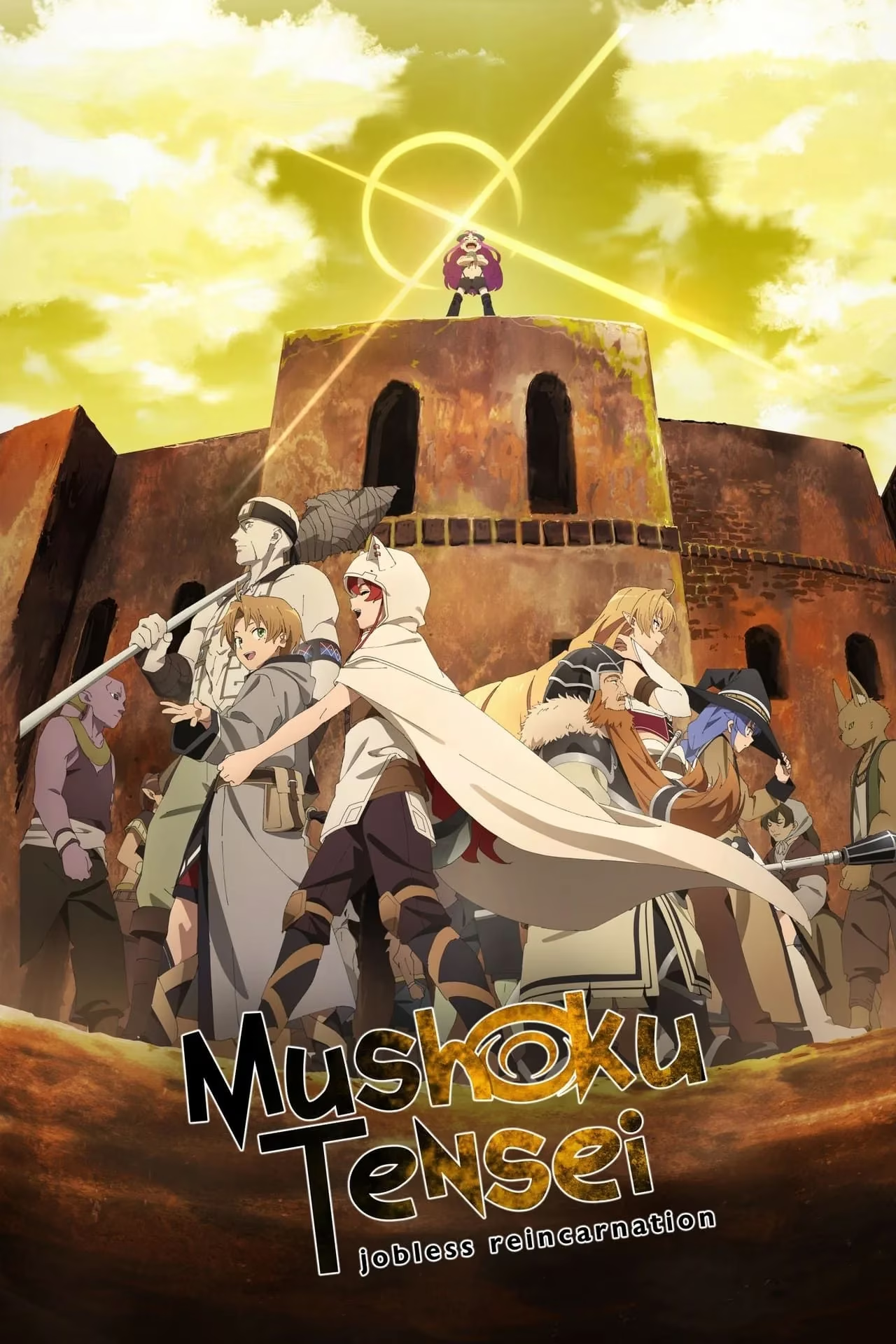
Rudeus from Mushoku Tensei: Jobless Reincarnation undergoes significant character development, but a fundamental issue remains: he is a 34-year-old mind inhabiting a child's body. This leads to deeply unsettling behavior, as he regularly fantasizes about and acts inappropriately towards the young heroines around him. While the narrative attempts to chart his growth, his perverse mindset and actions towards characters much younger than his mental age reveal a core flaw that cannot be overlooked or justified by his eventual maturity, making him a highly problematic figure for any audience, let alone a young one.
5. Hisoka's Predatory Obsession in Hunter x Hunter
Hisoka's charm in Hunter x Hunter masks a deeply disturbing and predatory obsession with young fighters like Gon and Killua. He views them not merely as rivals but as objects of desire and components in his twisted games, reveling in their fear and potential. His playful demeanor thinly veils a dangerous and unhinged nature. This fixation on children, framed as a desire to "test" them, crosses clear boundaries and presents a character whose allure is dangerously intertwined with menace, offering a terrible example of how charisma can conceal threat.
4. Sanji's Flawed Chivalry in One Piece
Sanji of the Straw Hat Pirates is a loyal, selfless, and emotionally complex character whose growth can be genuinely inspiring. However, his chivalrous code is frequently undermined by an obsessive and objectifying fascination with women. His behavior often crosses the line from admiration into overwhelming and inappropriate territory. While not as extreme as others on this list, Sanji's flaw serves as a critical reminder that even well-intentioned, heroic figures can embody traits—like the constant objectification of women—that are not suitable for emulation by younger viewers.
3. The Unredeemable Cruelty of Donquixote Doflamingo
Another One Piece character, Donquixote Doflamingo, represents a far more severe and malicious influence. A cruel, manipulative villain, he delights in the suffering of others and uses everyone, including family, as pawns. His actions are marked by psychological warfare and a complete lack of remorse, notably evidenced by his brutal treatment of the children of Dressrosa. Doflamingo embodies unchecked cruelty and a lust for power that should be clearly recognized as negative, making him a character no child should view as anything but a stark warning.
2. Orochimaru's Inhumane Experiments in Naruto
Orochimaru from Naruto is a figure who sacrificed his humanity on the altar of ambition. Once a shinobi of great promise, he descended into conducting inhumane experiments, using innocent children as disposable subjects. He expertly manipulated vulnerable kids like Sasuke and Anko, exploiting their emotional pain to turn them into vessels for his own gain. His complete disregard for life and obsession with immortality make him a profoundly disturbing figure, illustrating the catastrophic consequences when morality is abandoned for power.
1. Shou Tucker: The Worst Father in Anime
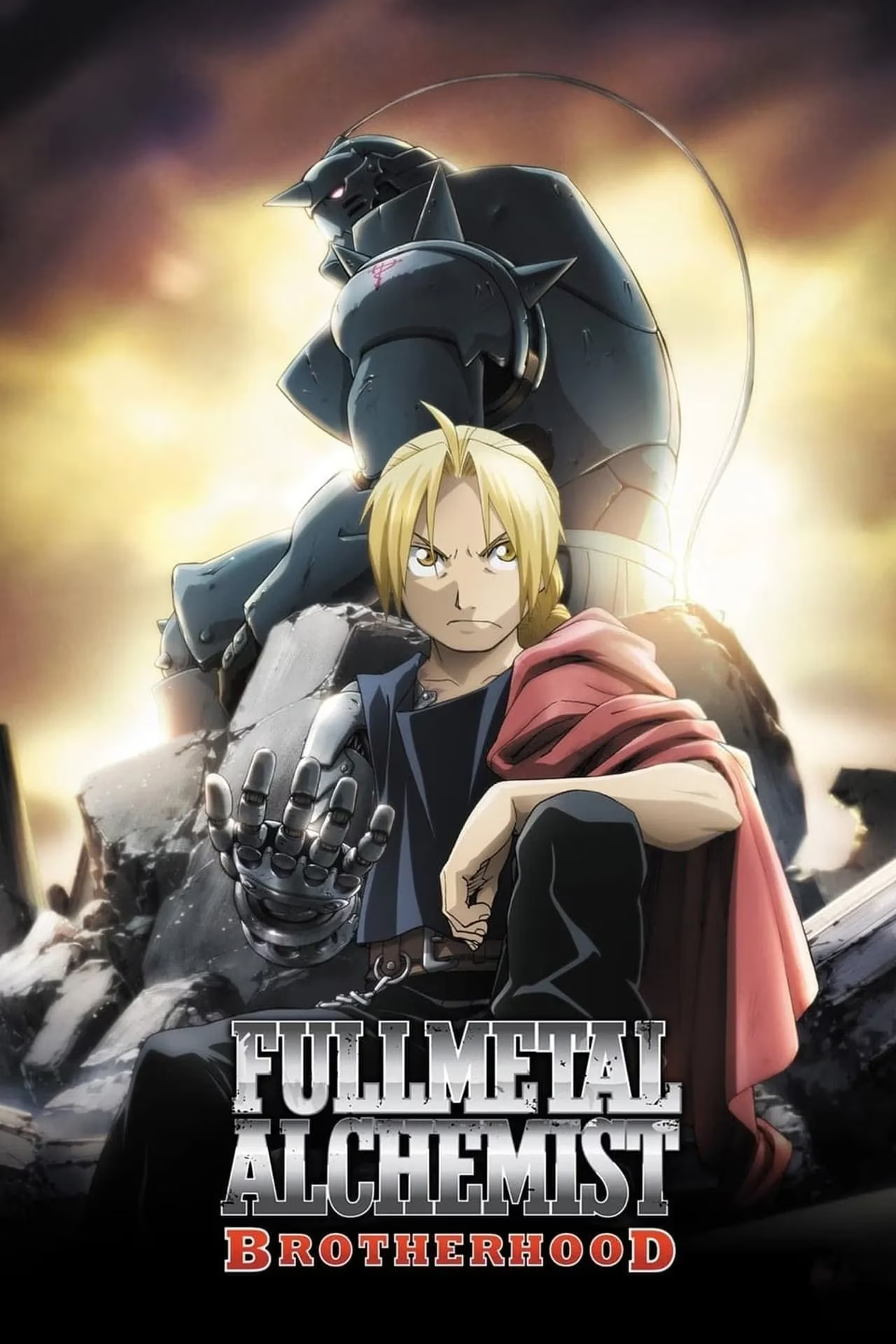
The pinnacle of horrifying influence is Shou Tucker from Fullmetal Alchemist: Brotherhood. In one of anime's most tragic arcs, Tucker sacrifices his own daughter, Nina, in a twisted alchemical experiment, viewing her not as a child to protect but as a mere tool for his research. This act represents the ultimate betrayal of parenthood and a complete absence of morality. Tucker stands as the definitive example of a character whose actions are so abhorrent that they serve as a stark, necessary warning about abuse and neglect, but one that is far too dark for young audiences to process appropriately.
In conclusion, as anime storytelling matures, so does the complexity of its characters. The figures listed here, from Dazai's troubling humor to Tucker's unforgivable cruelty, enrich their narratives but often embody traits that are clearly inappropriate for younger viewers. They highlight an ongoing responsibility for creators and audiences alike to critically engage with media, recognizing that compelling characterization does not always equate to a positive influence. In 2026, this distinction remains crucial for ensuring age-appropriate consumption of animated content.